Beef Gravy
What is Beef Gravy?
Beef gravy is a sauce made from the juices of cooked beef, often thickened with flour or cornstarch. It may also include beef broth, seasonings, and sometimes vegetables like onions or carrots. The process typically involves deglazing the pan used to cook the beef to capture flavorful drippings, then simmering these with other ingredients until thickened.
Is Beef Gravy vegan?
No. Beef Gravy is animal-derived, so it is not vegan.
Is Beef Gravy gluten-free?
Gluten may be present if wheat flour is used.
Is Beef Gravy a major allergen?
Beef gravy is not a major allergen.
What is Beef Gravy used for?
Manufacturers use beef gravy to add moisture, flavor, and richness to dishes.
Is Beef Gravy safe?
Beef gravy is generally recognized as safe (GRAS) by the FDA when used as a food ingredient.
Why it's used
Manufacturers use beef gravy to add moisture, flavor, and richness to dishes. It is commonly found in packaged meals featuring beef, such as stews, pot roasts, and steak dishes. It also serves as a sauce for mashed potatoes or rice.
Health notes
Beef gravy is generally recognized as safe (GRAS) by the FDA when used as a food ingredient. It is a source of protein and some B vitamins from the beef. Regulatory bodies like JECFA and EFSA have evaluated similar gravy preparations, but specific evaluations for 'beef gravy' as a standalone ingredient are not widely published. Concerns about sodium content are common in commercially prepared gravies, and consumers may wish to check nutrition labels.
Allergen info
Beef gravy is not a major allergen. However, some recipes or commercial preparations may contain wheat (as a thickener) or soy (in broth or seasonings), which are major allergens. Gluten may be present if wheat flour is used.
Foods that contain Beef Gravy
Compare products →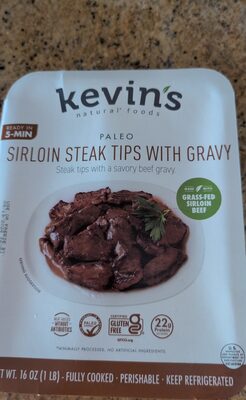
Learn more
Auto-generated content. This description was generated automatically and is pending editorial review. Inaccuracies are possible. Found a mistake? Contact us.