Beef Trim
What is Beef Trim?
Beef trim refers to small pieces of beef meat that are left over after larger cuts have been made. It can include trimmings from various parts of the animal, such as the brisket, chuck, or round. This meat is often ground or further processed for use in other food products.
Is Beef Trim vegan?
No. Beef Trim is animal-derived, so it is not vegan.
Is Beef Trim gluten-free?
It does not contain gluten.
Is Beef Trim a major allergen?
Beef trim is not a major allergen.
What is Beef Trim used for?
Manufacturers use beef trim as a source of protein and flavor in processed meat products.
Is Beef Trim safe?
Beef trim is a natural food product and is not subject to specific FDA additive regulations.
Why it's used
Manufacturers use beef trim as a source of protein and flavor in processed meat products. It is commonly found in items like sausages, hot dogs, burgers, and meatloaf. Its inclusion helps to add richness and a meaty texture to these foods.
Health notes
Beef trim is a natural food product and is not subject to specific FDA additive regulations. It is a source of protein, iron, and B vitamins. Like other red meats, high consumption of processed meats containing beef trim has been linked to an increased risk of certain health issues, according to some research. However, moderate consumption as part of a balanced diet is generally considered safe.
Allergen info
Beef trim is not a major allergen. It does not contain gluten.
Foods that contain Beef Trim
Compare products →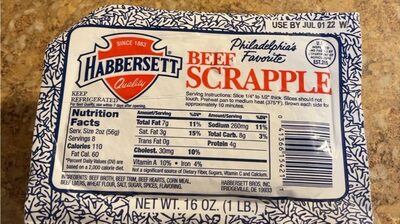
Learn more
Auto-generated content. This description was generated automatically and is pending editorial review. Inaccuracies are possible. Found a mistake? Contact us.