Bellavitano Cheese
What is Bellavitano Cheese?
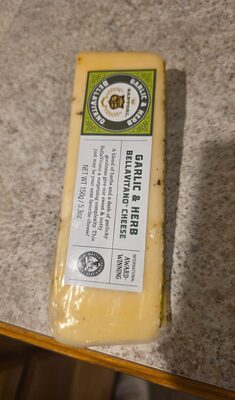
Bellavitano cheese is a semi-hard, award-winning cow's milk cheese created by Sartori Company in Wisconsin. It is made using a unique aging process that results in a slightly crumbly texture and a rich, nutty, and slightly sweet flavor profile.
Is Bellavitano Cheese vegan?
No. Bellavitano Cheese is animal-derived, so it is not vegan.
Is Bellavitano Cheese gluten-free?
It does not contain gluten.
Is Bellavitano Cheese a major allergen?
Bellavitano cheese is derived from milk and is therefore a major allergen.
What is Bellavitano Cheese used for?
Bellavitano cheese is often used as a table cheese, enjoyed on its own or as part of a cheese board.
Is Bellavitano Cheese safe?
Bellavitano cheese is a dairy product and a source of protein and calcium.
Why it's used
Bellavitano cheese is often used as a table cheese, enjoyed on its own or as part of a cheese board. Manufacturers incorporate it into packaged foods for its distinct flavor, frequently appearing in cheese blends, pasta dishes, and gourmet snack items.
Health notes
Bellavitano cheese is a dairy product and a source of protein and calcium. The FDA considers cheese to be generally recognized as safe (GRAS) when used as intended. Like all dairy, it contains lactose and milk proteins. There are no specific health concerns associated with moderate consumption of Bellavitano cheese.
Allergen info
Bellavitano cheese is derived from milk and is therefore a major allergen. It does not contain gluten.
Foods that contain Bellavitano Cheese
Compare products →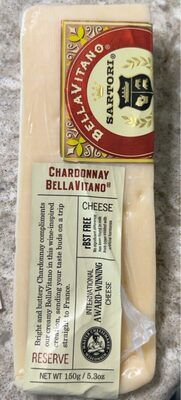
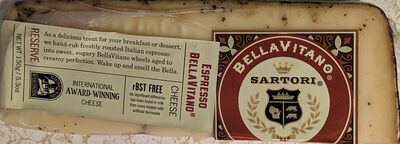
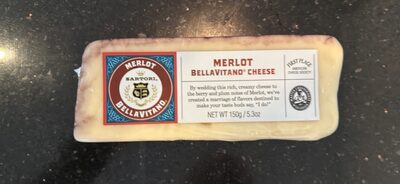
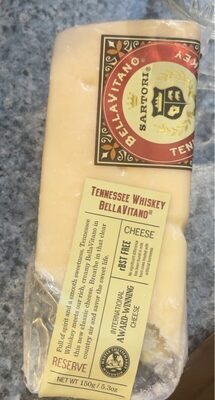
Learn more
Auto-generated content. This description was generated automatically and is pending editorial review. Inaccuracies are possible. Found a mistake? Contact us.