Bengal Gram
What is Bengal Gram?
Bengal gram, also known as chickpea or garbanzo bean, is a legume native to the Middle East. It is a highly nutritious pulse that is cultivated globally, especially in India. The beans are typically dried and then cooked or processed into flour.
Is Bengal Gram vegan?
Bengal Gram is not animal-derived. Products that contain it can still include other animal-derived ingredients, so check the full ingredient list.
Is Bengal Gram gluten-free?
It does not contain gluten.
Is Bengal Gram a major allergen?
Bengal gram is not one of the nine major allergens identified by the FDA.
What is Bengal Gram used for?
Bengal gram is a staple ingredient in many cuisines, particularly in Indian, Middle Eastern, and Mediterranean dishes.
Is Bengal Gram safe?
Bengal gram is a nutrient-dense food, rich in protein, fiber, and various vitamins and minerals.
Why it's used
Bengal gram is a staple ingredient in many cuisines, particularly in Indian, Middle Eastern, and Mediterranean dishes. It is used whole in curries, stews, and salads, or ground into flour (besan) for making flatbreads, snacks, and batters. Manufacturers use it as a source of protein and fiber.
Health notes
Bengal gram is a nutrient-dense food, rich in protein, fiber, and various vitamins and minerals. It is generally recognized as safe (GRAS) by the FDA when used as a food ingredient. The World Health Organization (WHO) and the European Food Safety Authority (EFSA) have not specifically evaluated Bengal gram as a food additive. High fiber intake can support digestive health. As with any food, excessive consumption could lead to digestive discomfort in some individuals.
Allergen info
Bengal gram is not one of the nine major allergens identified by the FDA. It does not contain gluten.
Foods that contain Bengal Gram
Compare products →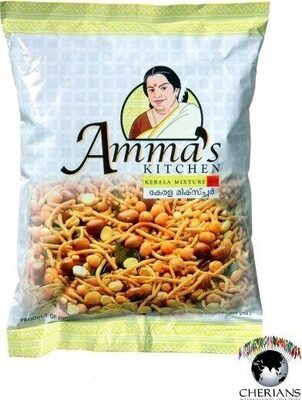
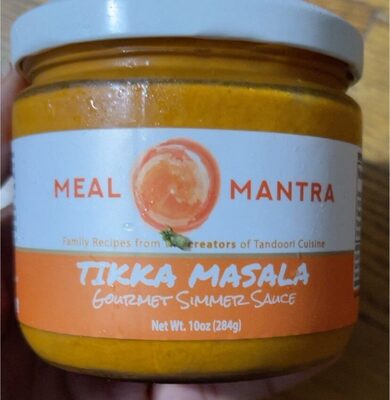
Learn more
Auto-generated content. This description was generated automatically and is pending editorial review. Inaccuracies are possible. Found a mistake? Contact us.