Beta Glucan
What is Beta Glucan?
Beta-glucan is a type of soluble fiber found in the cell walls of certain plants, like oats and barley, as well as in yeast and some types of mushrooms. It is typically extracted from these sources through physical or enzymatic processes.
Is Beta Glucan vegan?
Beta Glucan is not animal-derived. Products that contain it can still include other animal-derived ingredients, so check the full ingredient list.
Is Beta Glucan gluten-free?
It does not contain gluten unless specifically extracted from wheat or barley, which are gluten-containing grains.
Is Beta Glucan a major allergen?
Beta-glucan is not derived from any of the nine major allergens.
What is Beta Glucan used for?
Manufacturers add beta-glucan to foods for its fiber content and its ability to thicken or stabilize products.
Is Beta Glucan safe?
Beta-glucan is generally recognized as safe (GRAS) by the FDA for use in food.
Why it's used
Manufacturers add beta-glucan to foods for its fiber content and its ability to thicken or stabilize products. It is often found in breakfast cereals, baked goods, and dietary supplements, where it contributes to the product's texture and nutritional profile.
Health notes
Beta-glucan is generally recognized as safe (GRAS) by the FDA for use in food. Regulatory bodies like EFSA have also evaluated beta-glucans, recognizing their role as a source of fiber. Peer-reviewed reviews suggest that consuming beta-glucan may help lower cholesterol levels and manage blood sugar, though individual results can vary. There are no widespread controversies regarding its use at typical dietary levels.
Allergen info
Beta-glucan is not derived from any of the nine major allergens. It does not contain gluten unless specifically extracted from wheat or barley, which are gluten-containing grains.
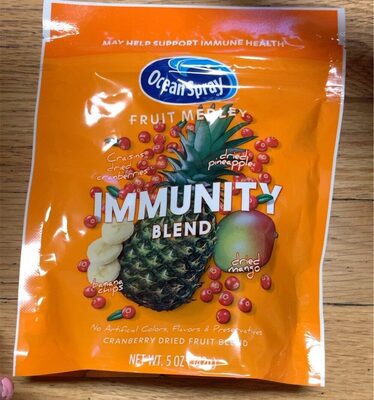
Foods that contain Beta Glucan
Compare products →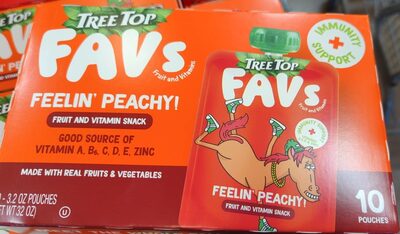
Learn more
Auto-generated content. This description was generated automatically and is pending editorial review. Inaccuracies are possible. Found a mistake? Contact us.