Blackeye Peas
What is Blackeye Peas?
Blackeye peas are a variety of cowpea, a type of legume. They are native to Africa and are now grown worldwide. They are typically sold dried or canned.
Is Blackeye Peas vegan?
Blackeye Peas is not animal-derived. Products that contain it can still include other animal-derived ingredients, so check the full ingredient list.
Is Blackeye Peas gluten-free?
They do not contain gluten.
Is Blackeye Peas a major allergen?
Blackeye peas are not one of the nine major allergens identified by the FDA.
What is Blackeye Peas used for?
Blackeye peas are used as a food source, providing protein and fiber.
Is Blackeye Peas safe?
Blackeye peas are a nutritious food, rich in fiber and protein.
Why it's used
Blackeye peas are used as a food source, providing protein and fiber. They are commonly found in canned and frozen vegetable mixes, soups, and side dishes, often seasoned with spices.
Health notes
Blackeye peas are a nutritious food, rich in fiber and protein. They are not a regulated food additive. The U.S. Food and Drug Administration (FDA) considers them a safe food ingredient. International bodies like the European Food Safety Authority (EFSA) have not specifically evaluated blackeye peas as a food additive. They are a whole food with no known adverse health effects when consumed as part of a balanced diet.
Allergen info
Blackeye peas are not one of the nine major allergens identified by the FDA. They do not contain gluten.
Foods that contain Blackeye Peas
Compare products →
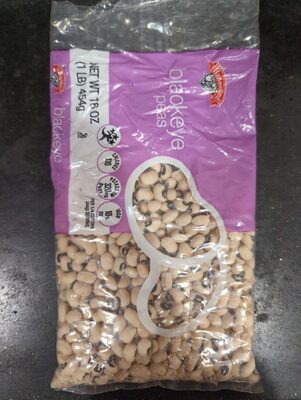
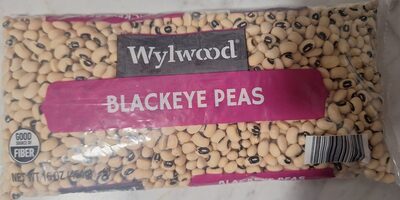
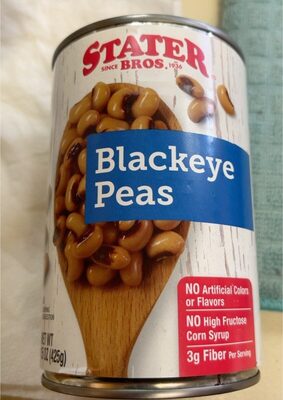

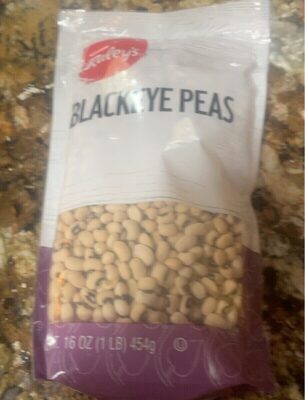
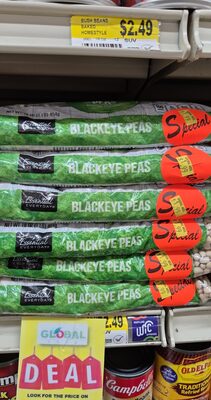
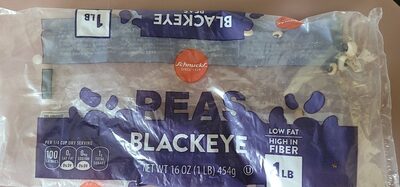
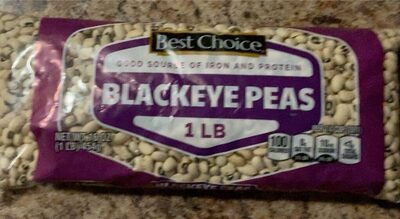




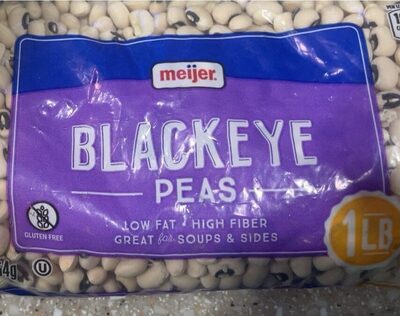


Learn more
Auto-generated content. This description was generated automatically and is pending editorial review. Inaccuracies are possible. Found a mistake? Contact us.