Blanched In Vegetable Oil
What is Blanched In Vegetable Oil?
Vegetable oil that has been heated to a specific temperature and then rapidly cooled. This process, called blanching, is used to inactivate enzymes that can cause spoilage and undesirable changes in flavor and color.
Is Blanched In Vegetable Oil vegan?
Blanched In Vegetable Oil is not animal-derived. Products that contain it can still include other animal-derived ingredients, so check the full ingredient list.
Is Blanched In Vegetable Oil a major allergen?
This ingredient is not a major allergen.
What is Blanched In Vegetable Oil used for?
Blanching helps preserve the quality of vegetables and nuts during storage and processing.
Is Blanched In Vegetable Oil safe?
Vegetable oils are generally recognized as safe (GRAS) by the FDA when used as intended.
Why it's used
Blanching helps preserve the quality of vegetables and nuts during storage and processing. It is often used for frozen vegetables, nuts, and seeds to improve their shelf life and maintain their texture and flavor.
Health notes
Vegetable oils are generally recognized as safe (GRAS) by the FDA when used as intended. They provide essential fatty acids and are a source of energy. Regulatory bodies like JECFA have evaluated many common vegetable oils. Evidence does not suggest adverse health effects from typical consumption of blanched vegetables or nuts.
Allergen info
This ingredient is not a major allergen. However, the specific vegetable oil used (e.g., soy, peanut) could be an allergen.
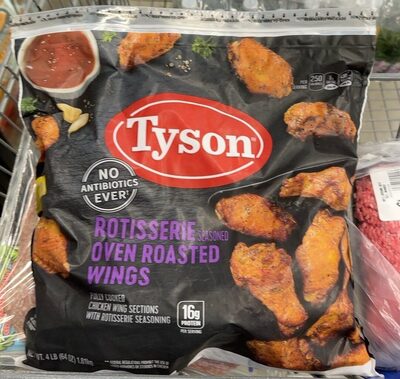
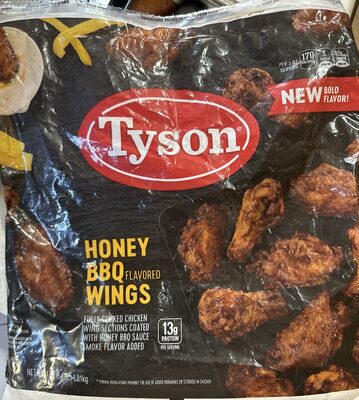
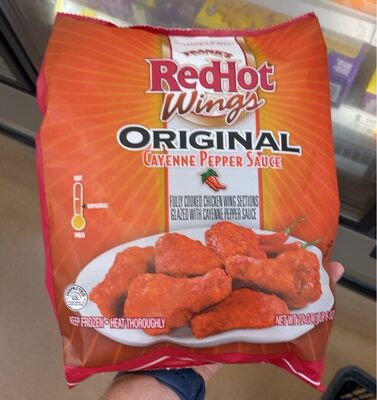
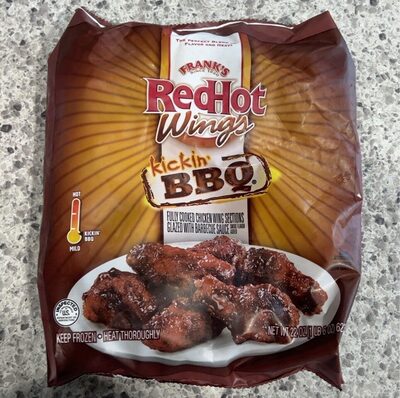
Foods that contain Blanched In Vegetable Oil
Compare products →
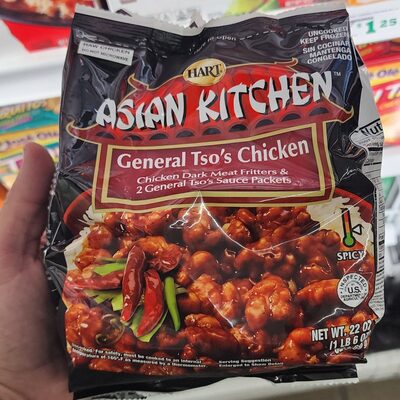
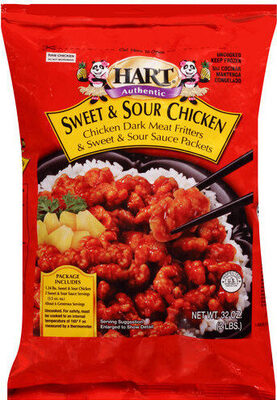
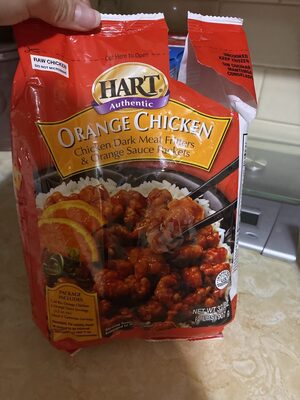


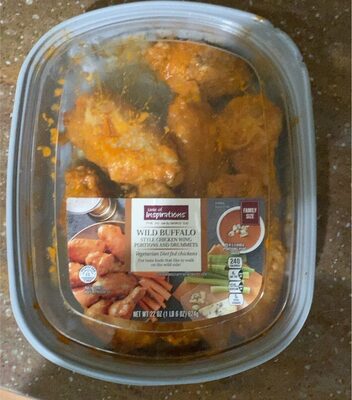



Learn more
Auto-generated content. This description was generated automatically and is pending editorial review. Inaccuracies are possible. Found a mistake? Contact us.