Blood Orange Puree
What is Blood Orange Puree?
Blood orange puree is made from the flesh of blood oranges, a variety of orange known for its deep red, almost blood-like color. The fruit is typically juiced and then pureed to create a smooth, concentrated liquid or paste.
Is Blood Orange Puree vegan?
Blood Orange Puree is not animal-derived. Products that contain it can still include other animal-derived ingredients, so check the full ingredient list.
Is Blood Orange Puree gluten-free?
Blood orange puree is derived from fruit and does not contain gluten.
Is Blood Orange Puree a major allergen?
Not a major allergen.
What is Blood Orange Puree used for?
Manufacturers use blood orange puree primarily as a natural flavoring and coloring agent.
Is Blood Orange Puree safe?
Blood orange puree is generally recognized as safe (GRAS) by the FDA when used as a food ingredient.
Why it's used
Manufacturers use blood orange puree primarily as a natural flavoring and coloring agent. Its intense citrus flavor and vibrant color make it a popular addition to desserts, beverages, sauces, and baked goods.
Health notes
Blood orange puree is generally recognized as safe (GRAS) by the FDA when used as a food ingredient. It is a source of vitamin C and antioxidants. International bodies like JECFA and EFSA have evaluated many fruit-derived ingredients, but specific evaluations for blood orange puree are not widely published. At typical consumption levels, it is not associated with adverse health effects.
Allergen info
Not a major allergen. Blood orange puree is derived from fruit and does not contain gluten.
Foods that contain Blood Orange Puree
Compare products →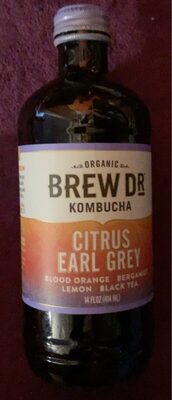

Auto-generated content. This description was generated automatically and is pending editorial review. Inaccuracies are possible. Found a mistake? Contact us.