Blue Whiting
What is Blue Whiting?
Blue whiting is a type of fish found in the North Atlantic Ocean. It is a member of the cod family and is typically caught in large numbers for commercial use. The fish is often processed into fillets or other seafood products.
Is Blue Whiting vegan?
No. Blue Whiting is animal-derived, so it is not vegan.
Is Blue Whiting a major allergen?
Blue whiting is a fish, which is one of the 9 major allergens recognized by the FDA.
What is Blue Whiting used for?
Blue whiting is used as a source of protein in various food products.
Is Blue Whiting safe?
Blue whiting is a source of protein and omega-3 fatty acids.
Why it's used
Blue whiting is used as a source of protein in various food products. It is commonly found in frozen seafood meals, fish cakes, and other prepared fish dishes. Its mild flavor makes it versatile for different culinary applications.
Health notes
Blue whiting is a source of protein and omega-3 fatty acids. The FDA has not established specific regulations for blue whiting as a food additive. International bodies like JECFA have evaluated fish and seafood products, but specific evaluations for blue whiting may vary. As with any seafood, potential concerns include mercury levels and sustainable sourcing, though these are not typically addressed by food additive regulations.
Allergen info
Blue whiting is a fish, which is one of the 9 major allergens recognized by the FDA. Consumers with fish allergies should avoid products containing blue whiting.
Foods that contain Blue Whiting
Compare products →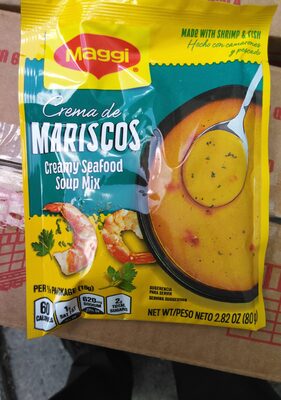
Learn more
Auto-generated content. This description was generated automatically and is pending editorial review. Inaccuracies are possible. Found a mistake? Contact us.