Blueberries: Blueberries
Auto-generated content. This description was generated automatically and is pending editorial review. Inaccuracies are possible. Found a mistake? Contact us.
What it is
Blueberries are small, round, blue-purple fruits that grow on bushes. They are native to North America but are now cultivated worldwide. Blueberries are typically eaten fresh or used in jams, pies, and other baked goods.
Why it's used
Blueberries are primarily used for their sweet flavor and vibrant color in a variety of food products. They are commonly found in baked goods like muffins, cakes, and cookies, as well as in cereals, yogurts, and beverages.
Health notes
Blueberries are a source of vitamins, minerals, and antioxidants. The U.S. Food and Drug Administration (FDA) recognizes blueberries as Generally Recognized As Safe (GRAS). International bodies like the European Food Safety Authority (EFSA) and the Joint FAO/WHO Expert Committee on Food Additives (JECFA) have also evaluated blueberries and their components. Research suggests that compounds in blueberries may have positive effects on heart health and cognitive function, though more studies are needed to confirm these benefits.
Allergen info
Blueberries are not one of the nine major allergens recognized by the FDA. They do not contain gluten.
Products containing Blueberries: Blueberries
Compare products →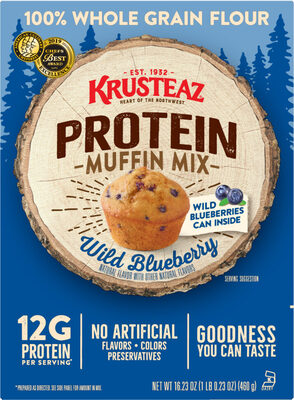 Continental Mills, Inc.
Wild Blueberry Muffin Mix, Wild Blueberry
High in added sugars — 44% DV per serving
397kcal
15.9Protein
4.0Fat
73.0Carbs
Continental Mills, Inc.
Wild Blueberry Plant-Based Muffin Mix, Wild Blueberry
High in sodium — 22% DV per serving
High in added sugars — 44% DV per serving
368kcal
16.2Protein
3.7Fat
69.1Carbs
World Foods Products Inc.
Blueberry Granola Clusters
429kcal
7.1Protein
12.5Fat
71.4Carbs
Whole Foods Market, Inc.
Blueberry, Cranberry & Quinoa Flavored Cashews, Blueberry, Cranberry & Quinoa
High in added sugars — 20% DV per serving
467kcal
10Protein
26.7Fat
56.7Carbs
Continental Mills, Inc.
Wild Blueberry Muffin Mix, Wild Blueberry
High in added sugars — 44% DV per serving
397kcal
15.9Protein
4.0Fat
73.0Carbs
Continental Mills, Inc.
Wild Blueberry Plant-Based Muffin Mix, Wild Blueberry
High in sodium — 22% DV per serving
High in added sugars — 44% DV per serving
368kcal
16.2Protein
3.7Fat
69.1Carbs
World Foods Products Inc.
Blueberry Granola Clusters
429kcal
7.1Protein
12.5Fat
71.4Carbs
Whole Foods Market, Inc.
Blueberry, Cranberry & Quinoa Flavored Cashews, Blueberry, Cranberry & Quinoa
High in added sugars — 20% DV per serving
467kcal
10Protein
26.7Fat
56.7Carbs
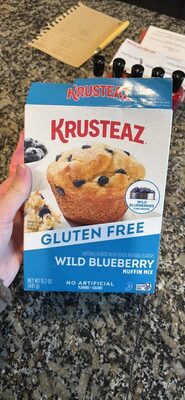 Continental Mills, Inc.
Gluten Free Wild Blueberry Muffin Mix, Blueberry
High in sodium — 23% DV per serving
High in added sugars — 56% DV per serving
333kcal
2.7Protein
2.7Fat
76Carbs
Whole Foods Market, Inc.
Blueberry Blaze Dried Blueberries Mixed With Crunchy Peanuts, Cashews, Almonds, White Chocolate Chunks, Tart Cranberries & Sweet Raisins Trail Mix, Blueberry Blaze
500kcal
14.3Protein
32.1Fat
46.4Carbs
Continental Mills, Inc.
Gluten Free Wild Blueberry Muffin Mix, Blueberry
High in sodium — 23% DV per serving
High in added sugars — 56% DV per serving
333kcal
2.7Protein
2.7Fat
76Carbs
Whole Foods Market, Inc.
Blueberry Blaze Dried Blueberries Mixed With Crunchy Peanuts, Cashews, Almonds, White Chocolate Chunks, Tart Cranberries & Sweet Raisins Trail Mix, Blueberry Blaze
500kcal
14.3Protein
32.1Fat
46.4Carbs