Bovine Collagen Hydrolysate
What is Bovine Collagen Hydrolysate?
Bovine collagen hydrolysate is a protein derived from the collagen found in cows. It is produced by breaking down collagen into smaller peptides through a process called hydrolysis, making it easier for the body to absorb.
Is Bovine Collagen Hydrolysate vegan?
No. Bovine Collagen Hydrolysate is animal-derived, so it is not vegan.
Is Bovine Collagen Hydrolysate gluten-free?
It does not contain gluten.
Is Bovine Collagen Hydrolysate a major allergen?
Not a major allergen.
What is Bovine Collagen Hydrolysate used for?
Manufacturers add bovine collagen hydrolysate to foods for its protein content and potential health benefits.
Is Bovine Collagen Hydrolysate safe?
Bovine collagen hydrolysate is generally recognized as safe (GRAS) by the FDA for use in food.
Why it's used
Manufacturers add bovine collagen hydrolysate to foods for its protein content and potential health benefits. It is often found in protein bars, supplements, and some beverages.
Health notes
Bovine collagen hydrolysate is generally recognized as safe (GRAS) by the FDA for use in food. Some research suggests it may support skin health and joint function, but more studies are needed. JECFA has evaluated collagen and set an acceptable daily intake. Evidence on its benefits is still developing.
Allergen info
Not a major allergen. It is derived from bovine sources, which are not among the FDA's nine major allergens. It does not contain gluten.
Foods that contain Bovine Collagen Hydrolysate
Compare products →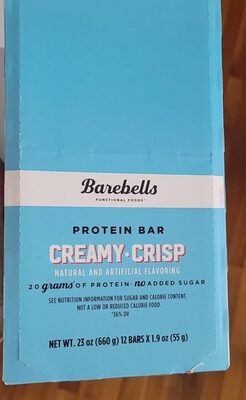
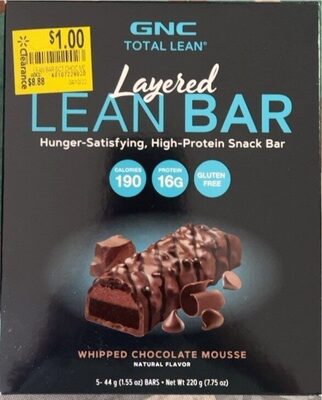
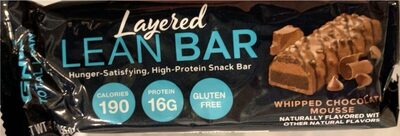
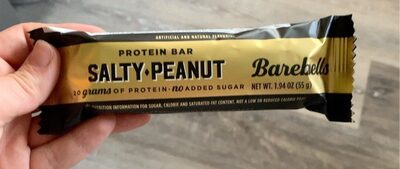

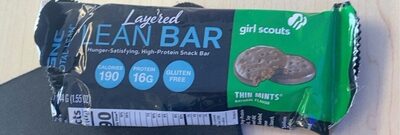
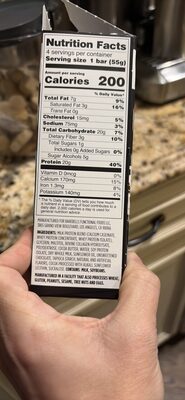
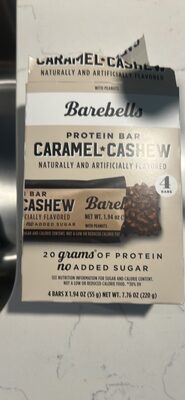
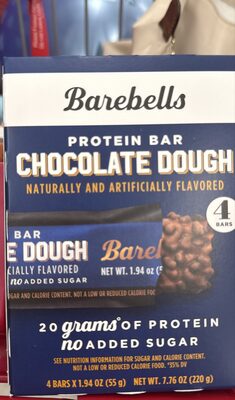
Learn more
Auto-generated content. This description was generated automatically and is pending editorial review. Inaccuracies are possible. Found a mistake? Contact us.