Bread: Enriched Unbleached Flour
What is Bread: Enriched Unbleached Flour?
Enriched unbleached flour is made from wheat that has not been bleached with chemicals. "Enriched" means that B vitamins (thiamin, riboflavin, niacin, folic acid) and iron have been added back after processing. This is done to replace nutrients lost during milling.
Is Bread: Enriched Unbleached Flour vegan?
Bread: Enriched Unbleached Flour is not animal-derived. Products that contain it can still include other animal-derived ingredients, so check the full ingredient list.
Is Bread: Enriched Unbleached Flour gluten-free?
It also contains gluten.
Is Bread: Enriched Unbleached Flour a major allergen?
Enriched unbleached flour is derived from wheat, which is one of the 9 major allergens.
What is Bread: Enriched Unbleached Flour used for?
Manufacturers use enriched unbleached flour as a primary ingredient in baked goods like bread, pastries, and cookies.
Is Bread: Enriched Unbleached Flour safe?
Enriched unbleached flour is a staple in the American diet.
Why it's used
Manufacturers use enriched unbleached flour as a primary ingredient in baked goods like bread, pastries, and cookies. It provides structure and texture to these products. It is also found in pasta and some breakfast cereals.
Health notes
Enriched unbleached flour is a staple in the American diet. The added B vitamins and iron contribute to nutrient intake. The FDA considers it safe for consumption. International bodies like JECFA have evaluated flour and its enrichment process.
Allergen info
Enriched unbleached flour is derived from wheat, which is one of the 9 major allergens. It also contains gluten.
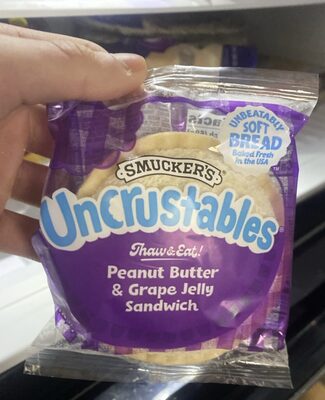
Foods that contain Bread: Enriched Unbleached Flour
Compare products →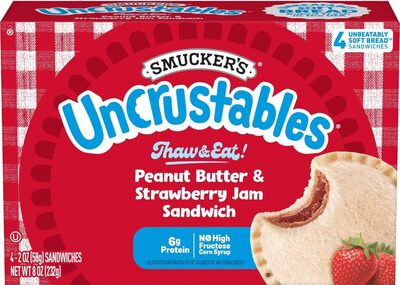
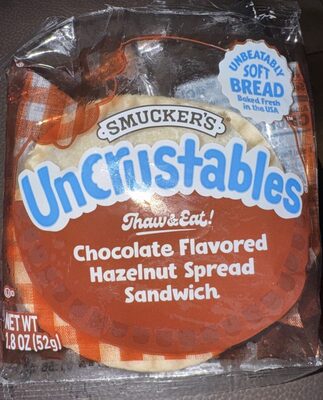
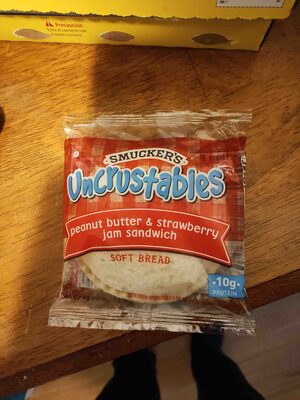
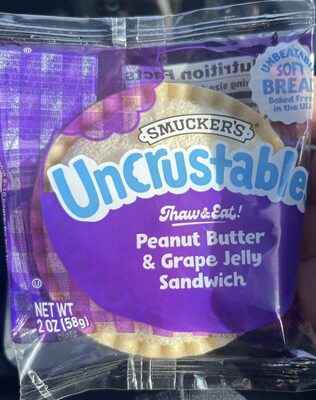
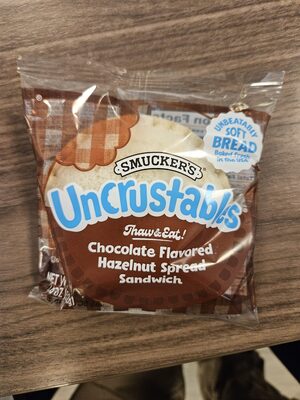
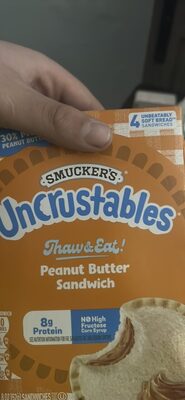
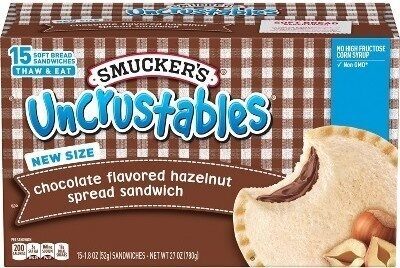
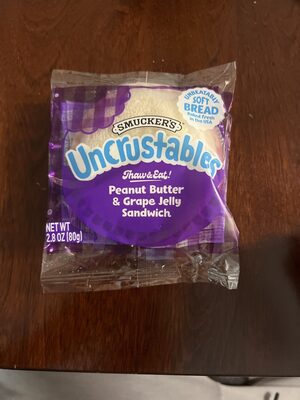
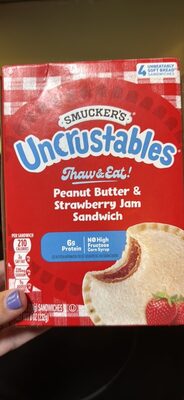
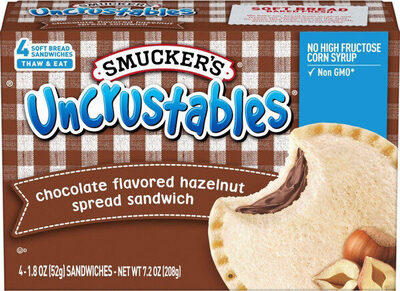
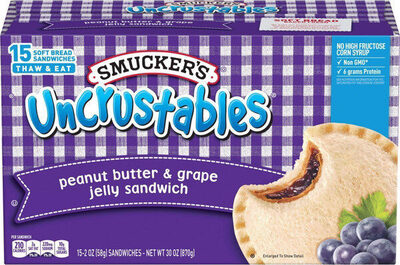
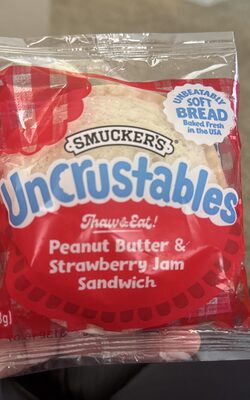
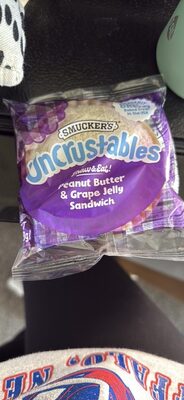
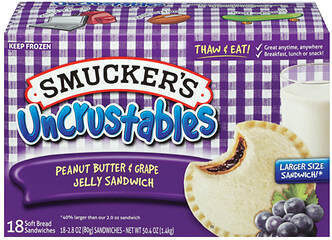
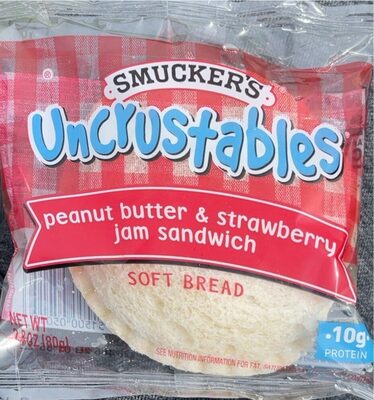
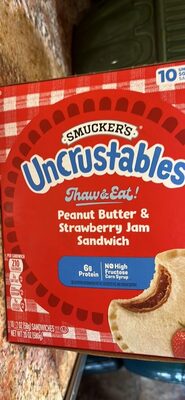
Learn more
Auto-generated content. This description was generated automatically and is pending editorial review. Inaccuracies are possible. Found a mistake? Contact us.