Breading And Batter
What is Breading And Batter?
Breading and batter are mixtures used to coat foods, typically before frying or baking. They are usually made from a combination of flour (like wheat, corn, or rice), water, and seasonings. Sometimes, eggs or milk are included to help the coating adhere and add richness.
Is Breading And Batter gluten-free?
Gluten, derived from wheat, is also a common component.
Is Breading And Batter a major allergen?
Breading and batter often contain wheat, which is one of the FDA's major allergens.
What is Breading And Batter used for?
Breading and batter are added to foods to create a crispy, golden-brown exterior and to add flavor and texture.
Is Breading And Batter safe?
Breading and batter ingredients are generally recognized as safe (GRAS) by the FDA when used as intended.
Why it's used
Breading and batter are added to foods to create a crispy, golden-brown exterior and to add flavor and texture. They help seal in moisture during cooking, making the final product more appealing. They are commonly found on fried or baked items such as chicken, fish, vegetables, and appetizers.
Health notes
Breading and batter ingredients are generally recognized as safe (GRAS) by the FDA when used as intended. The primary health considerations relate to the overall nutritional profile of the food being coated, especially if it is fried, which can increase fat and calorie content. Regulatory bodies like JECFA and EFSA have evaluated many of the individual components used in breading and batter.
Allergen info
Breading and batter often contain wheat, which is one of the FDA's major allergens. If eggs or milk are used, they are also major allergens. Gluten, derived from wheat, is also a common component.
Foods that contain Breading And Batter
Compare products →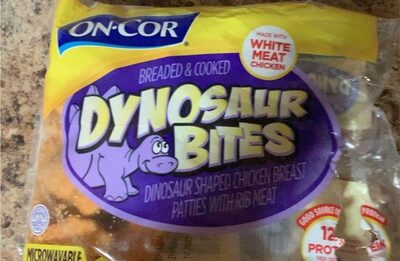

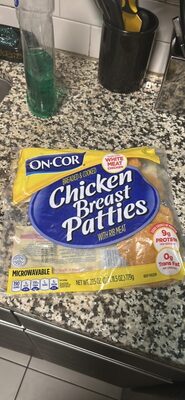
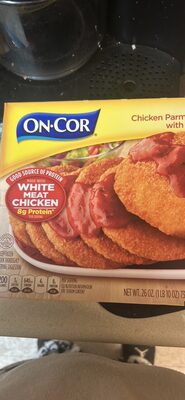
Learn more
Auto-generated content. This description was generated automatically and is pending editorial review. Inaccuracies are possible. Found a mistake? Contact us.