Bun
What is Bun?
A bun is a type of bread, typically small and often round. It is made from flour, water, and yeast, and is usually baked. Buns can be plain or enriched with ingredients like eggs, milk, or sugar.
Is Bun gluten-free?
Buns made with wheat flour contain gluten and are derived from wheat, which is one of the FDA's major allergens.
What is Bun used for?
Buns are used as a base for sandwiches, burgers, and hot dogs.
Is Bun safe?
Buns are a common food item and are generally considered safe for consumption.
Why it's used
Buns are used as a base for sandwiches, burgers, and hot dogs. They provide a soft, chewy texture and a neutral flavor that complements various fillings. Manufacturers use them in a wide range of prepared foods, from frozen appetizers to deli sandwiches.
Health notes
Buns are a common food item and are generally considered safe for consumption. The FDA lists many bun ingredients as Generally Recognized As Safe (GRAS). JECFA and EFSA have evaluated many common bun ingredients, such as flour and yeast, and have established acceptable daily intakes or found them to pose no safety concern at typical consumption levels. Whole grain buns offer dietary fiber, which is beneficial for digestive health.
Allergen info
Buns made with wheat flour contain gluten and are derived from wheat, which is one of the FDA's major allergens. If other allergens like milk, egg, or soy are added, they would also be listed.
Foods that contain Bun
Compare products →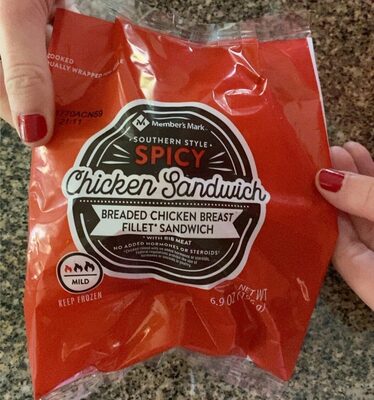
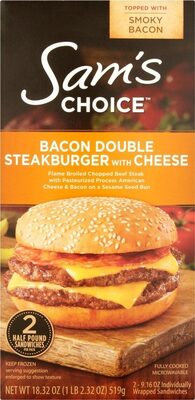


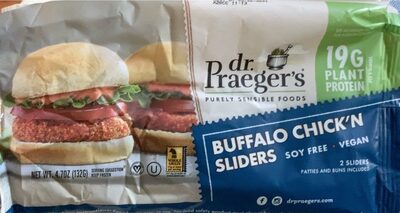


Learn more
Auto-generated content. This description was generated automatically and is pending editorial review. Inaccuracies are possible. Found a mistake? Contact us.