Buttermilk Salt
What is Buttermilk Salt?
Buttermilk is the liquid left over after churning butter from cream. It is a fluid, slightly acidic dairy product that contains water, milk solids, and milk fat. Cultured buttermilk, commonly sold in stores, is made by adding a bacterial culture to milk, which gives it a tangy flavor and thicker consistency.
Is Buttermilk Salt vegan?
No. Buttermilk Salt is animal-derived, so it is not vegan.
Is Buttermilk Salt gluten-free?
It does not contain gluten.
Is Buttermilk Salt a major allergen?
Buttermilk is derived from milk, which is one of the 9 FDA major allergens.
What is Buttermilk Salt used for?
Buttermilk is used in baking to add moisture, tenderness, and a slightly tangy flavor to products like pancakes, biscuits, and cakes.
Is Buttermilk Salt safe?
Buttermilk is a dairy product and a source of calcium and protein.
Why it's used
Buttermilk is used in baking to add moisture, tenderness, and a slightly tangy flavor to products like pancakes, biscuits, and cakes. Its acidity reacts with leavening agents like baking soda to help baked goods rise. It is also used as a marinade for fried chicken and in salad dressings.
Health notes
Buttermilk is a dairy product and a source of calcium and protein. It is generally recognized as safe (GRAS) by the FDA when used as a food ingredient. Regulatory bodies like JECFA and EFSA have evaluated buttermilk and its components. No specific health concerns are associated with the typical consumption of buttermilk.
Allergen info
Buttermilk is derived from milk, which is one of the 9 FDA major allergens. It does not contain gluten.
Foods that contain Buttermilk Salt
Compare products →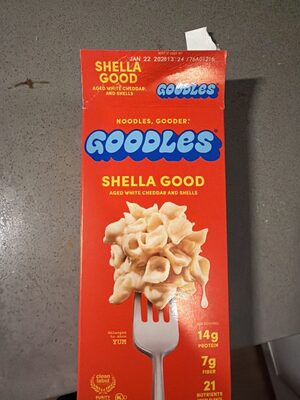 Gooder Foods, Inc.
Shella Good Aged White Cheddar And Shells
High in sodium — 26% DV per serving
351kcal
18.9Protein
5.4Fat
62.2Carbs
ConAgra Foods Packaged Foods, LLC
Odom's Tennessee Pride, Quesadillas, Bacon, Cheese & Potato, Odom's Tennessee Pride, Quesadillas, Bacon, Cheese & Potato
High in sodium — 22% DV per serving
219kcal
7.3Protein
3.6Fat
38.5Carbs
Frankford Candy, LLC
Buttermilk Pancake & Waffle Mix With Candy Bits Pancake Skillet, Buttermilk With Candy Bits
High in sodium — 20% DV per serving
High in added sugars — 20% DV per serving
352kcal
7.4Protein
3.7Fat
72.2Carbs
Gooder Foods, Inc.
Shella Good Aged White Cheddar And Shells
High in sodium — 26% DV per serving
351kcal
18.9Protein
5.4Fat
62.2Carbs
ConAgra Foods Packaged Foods, LLC
Odom's Tennessee Pride, Quesadillas, Bacon, Cheese & Potato, Odom's Tennessee Pride, Quesadillas, Bacon, Cheese & Potato
High in sodium — 22% DV per serving
219kcal
7.3Protein
3.6Fat
38.5Carbs
Frankford Candy, LLC
Buttermilk Pancake & Waffle Mix With Candy Bits Pancake Skillet, Buttermilk With Candy Bits
High in sodium — 20% DV per serving
High in added sugars — 20% DV per serving
352kcal
7.4Protein
3.7Fat
72.2Carbs
Learn more
Auto-generated content. This description was generated automatically and is pending editorial review. Inaccuracies are possible. Found a mistake? Contact us.