Buttery Spread
What is Buttery Spread?
Buttery spread is a food product designed to mimic the taste and texture of butter. It is typically made from a blend of vegetable oils, water, and emulsifiers, often with added salt and flavorings. The oils are usually hydrogenated or interesterified to achieve a solid consistency at room temperature.
Is Buttery Spread gluten-free?
Gluten is not typically present unless added.
Is Buttery Spread a major allergen?
Buttery spreads may contain major allergens depending on the specific ingredients used.
What is Buttery Spread used for?
Manufacturers add buttery spread for its richness, spreadability, and flavor in baked goods and other foods.
Is Buttery Spread safe?
Buttery spreads are generally recognized as safe (GRAS) by the FDA when used as intended.
Why it's used
Manufacturers add buttery spread for its richness, spreadability, and flavor in baked goods and other foods. It functions as a fat source, providing moisture and tenderness. It is commonly found in cookies, cakes, pastries, and as a topping for bread and vegetables.
Health notes
Buttery spreads are generally recognized as safe (GRAS) by the FDA when used as intended. They are a source of dietary fat and calories. Regulatory bodies like JECFA and EFSA have evaluated various components used in their production. Some older formulations contained trans fats, which are now largely removed due to health concerns.
Allergen info
Buttery spreads may contain major allergens depending on the specific ingredients used. Soy lecithin is a common emulsifier, making it a potential source of soy allergen. Some may also contain milk-derived ingredients. Always check the product label for specific allergen information. Gluten is not typically present unless added.
Foods that contain Buttery Spread
Compare products →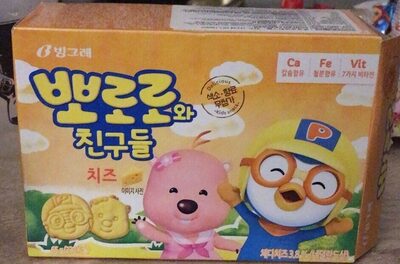
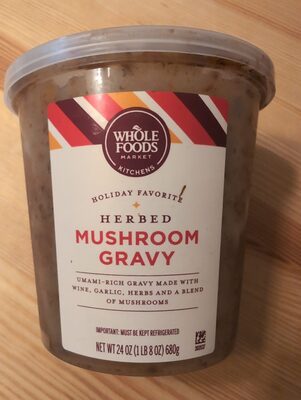
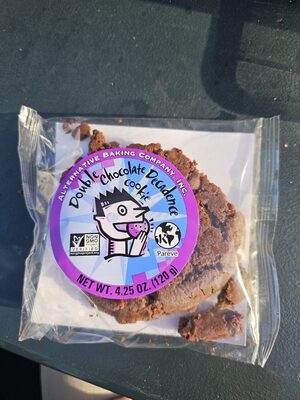
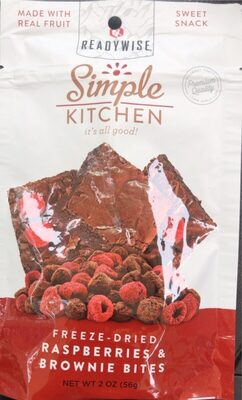
Learn more
Auto-generated content. This description was generated automatically and is pending editorial review. Inaccuracies are possible. Found a mistake? Contact us.