Caking
What is Caking?
Caking agents are substances added to powdered foods to prevent them from clumping together. They work by absorbing moisture and keeping particles separated. Common caking agents include silicon dioxide and calcium silicate.
Is Caking vegan?
Caking is not animal-derived. Products that contain it can still include other animal-derived ingredients, so check the full ingredient list.
Is Caking a major allergen?
Not a major allergen.
What is Caking used for?
Manufacturers add caking agents to powdered products like spices, baking mixes, and powdered sugar to ensure they remain free-flowing and easy to measure.
Is Caking safe?
Silicon dioxide and calcium silicate are generally recognized as safe (GRAS) by the FDA for use as anticaking agents.
Why it's used
Manufacturers add caking agents to powdered products like spices, baking mixes, and powdered sugar to ensure they remain free-flowing and easy to measure. They help maintain a consistent texture and prevent the formation of hard lumps, making the product more user-friendly. They are often found in cheese powders, dried soups, and other dehydrated food items.
Health notes
Silicon dioxide and calcium silicate are generally recognized as safe (GRAS) by the FDA for use as anticaking agents. These substances are not absorbed by the body and are excreted. Regulatory bodies like JECFA and EFSA have evaluated these substances and found them to be safe for consumption at typical levels. There are no significant health controversies associated with their use as anticaking agents in food.
Allergen info
Not a major allergen.
Foods that contain Caking
Compare products →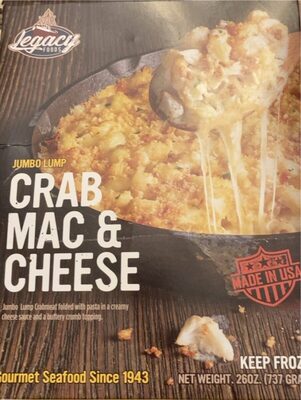 Fulcher's Point Pride Seafood
Crab Mac & Cheese Jumbo Lump Crabmeat Folded With Pasta In A Creamy Cheese Sauce And A Buttery Crumb Topping, Crab Mac & Cheese
High in sodium — 20% DV per serving
High in saturated fat — 45% DV per serving
220kcal
10.6Protein
13.8Fat
13.8Carbs
Fulcher's Point Pride Seafood
Crab Mac & Cheese Jumbo Lump Crabmeat Folded With Pasta In A Creamy Cheese Sauce And A Buttery Crumb Topping, Crab Mac & Cheese
High in sodium — 20% DV per serving
High in saturated fat — 45% DV per serving
220kcal
10.6Protein
13.8Fat
13.8Carbs
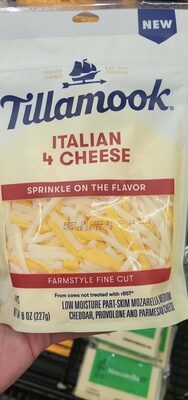 Tillamook County Creamery Association
Italian Low Moisture Part-Skim Mozzarella, Medium Cheddar, Provolone And Parmesan Cheese
High in saturated fat — 20% DV per serving
286kcal
25Protein
25Fat
7.1Carbs
Byerly Foods International
Smoky & Spicy Fresh Dip Queso Con Carne, Smoky & Spicy
167kcal
10Protein
13.3Fat
6.7Carbs
New Seasons Market, LLC
Broccoli Cheddar Soup, Broccoli Cheddar
High in sodium — 30% DV per serving
High in saturated fat — 50% DV per serving
89kcal
2.7Protein
7.6Fat
4.4Carbs
Tillamook County Creamery Association
Italian Low Moisture Part-Skim Mozzarella, Medium Cheddar, Provolone And Parmesan Cheese
High in saturated fat — 20% DV per serving
286kcal
25Protein
25Fat
7.1Carbs
Byerly Foods International
Smoky & Spicy Fresh Dip Queso Con Carne, Smoky & Spicy
167kcal
10Protein
13.3Fat
6.7Carbs
New Seasons Market, LLC
Broccoli Cheddar Soup, Broccoli Cheddar
High in sodium — 30% DV per serving
High in saturated fat — 50% DV per serving
89kcal
2.7Protein
7.6Fat
4.4Carbs
Auto-generated content. This description was generated automatically and is pending editorial review. Inaccuracies are possible. Found a mistake? Contact us.