Caramel Chunks
What is Caramel Chunks?
Caramel chunks are pieces of hardened caramel candy. They are made by heating sugar, often with butter, cream, or milk, until it caramelizes and turns a golden-brown color. The mixture is then cooled and cut into small pieces.
Is Caramel Chunks vegan?
No. Caramel Chunks is animal-derived, so it is not vegan.
Is Caramel Chunks gluten-free?
They are not derived from any of the other major allergens and do not contain gluten.
Is Caramel Chunks a major allergen?
Caramel chunks may contain milk if made with dairy ingredients.
What is Caramel Chunks used for?
Manufacturers add caramel chunks to provide a sweet, buttery flavor and chewy texture.
Is Caramel Chunks safe?
Caramel chunks are generally recognized as safe (GRAS) by the FDA when used as a food ingredient.
Why it's used
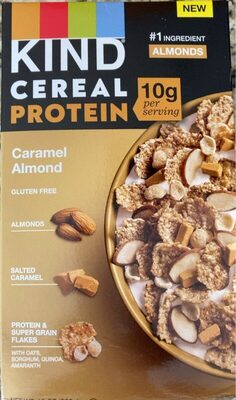
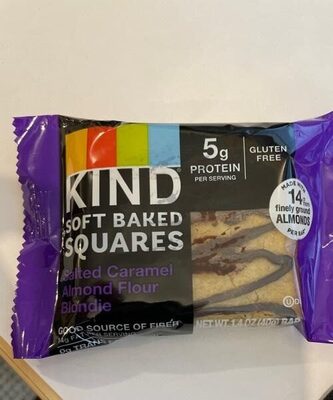
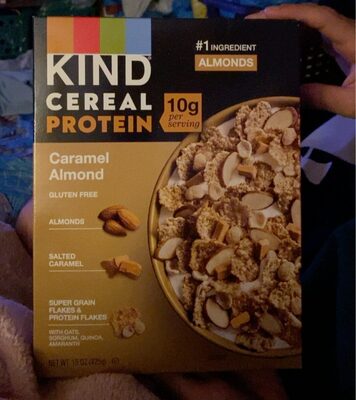
Manufacturers add caramel chunks to provide a sweet, buttery flavor and chewy texture. They are commonly found in baked goods like cookies, brownies, and bars, as well as in ice cream and candies.
Health notes
Caramel chunks are generally recognized as safe (GRAS) by the FDA when used as a food ingredient. They are primarily composed of sugar and fat, and like other sugary foods, excessive consumption can contribute to health issues. JECFA has evaluated caramel colors, which are related but distinct, and established acceptable daily intakes for some types.
Allergen info
Caramel chunks may contain milk if made with dairy ingredients. They are not derived from any of the other major allergens and do not contain gluten.
Foods that contain Caramel Chunks
Compare products →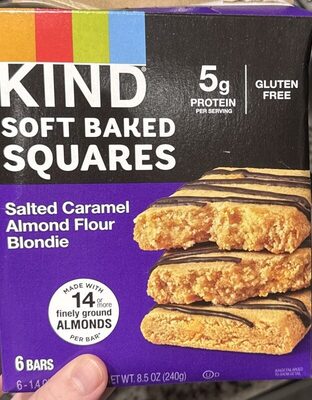
Auto-generated content. This description was generated automatically and is pending editorial review. Inaccuracies are possible. Found a mistake? Contact us.