Cashew Kernels
What is Cashew Kernels?
Cashew kernels are the seeds of the cashew apple, a tropical fruit native to Brazil. After harvesting, the cashew apple is separated from the nut. The nut shell contains a caustic oil that must be carefully removed before the kernel inside is dried and ready for consumption.
Is Cashew Kernels vegan?
Cashew Kernels is not animal-derived. Products that contain it can still include other animal-derived ingredients, so check the full ingredient list.
Is Cashew Kernels a major allergen?
Cashew kernels are a tree nut, which is one of the 9 FDA major allergens.
What is Cashew Kernels used for?
Cashew kernels are often eaten as a snack, either raw or roasted.
Is Cashew Kernels safe?
Cashew kernels are a source of healthy fats, protein, and minerals like magnesium and copper.
Why it's used
Cashew kernels are often eaten as a snack, either raw or roasted. They are also used as an ingredient in various dishes, including stir-fries, curries, and baked goods. Their creamy texture makes them a popular dairy-free alternative in vegan recipes.
Health notes
Cashew kernels are a source of healthy fats, protein, and minerals like magnesium and copper. The FDA considers them Generally Recognized As Safe (GRAS) for consumption. International bodies like JECFA and EFSA have evaluated cashews, but they do not set specific intake limits for whole foods. Cashews are naturally nutrient-dense and are part of a healthy diet when consumed in moderation.
Allergen info
Cashew kernels are a tree nut, which is one of the 9 FDA major allergens. People with tree nut allergies should avoid them.
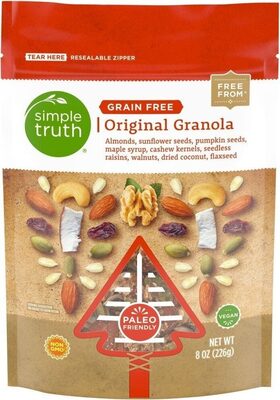
Foods that contain Cashew Kernels
Compare products →

Learn more
Auto-generated content. This description was generated automatically and is pending editorial review. Inaccuracies are possible. Found a mistake? Contact us.