Certified Color
Auto-generated content. This description was generated automatically and is pending editorial review. Inaccuracies are possible. Found a mistake? Contact us.
What it is
Certified Colors are synthetic color additives that are manufactured chemically. In the United States, these colors must be approved by the Food and Drug Administration (FDA) and each batch must be certified by the FDA to ensure purity and consistency before it can be used in food.
Why it's used
Manufacturers add certified colors to foods primarily to enhance their visual appeal, making them look more attractive or to provide a consistent color. They are commonly found in a wide range of processed foods, including candies, baked goods, beverages, and frozen desserts.
Health notes
Certified colors are approved by the FDA for use in food, and their safety is regularly reviewed. While the FDA has concluded that current scientific evidence does not show a causal link between certified colors and hyperactivity in the general population, some studies have suggested a link in certain sensitive children. In April 2025, the FDA announced a plan to phase out petroleum-based synthetic dyes, which include many certified colors such as Red 40, Yellow 5, Yellow 6, Blue 1, Blue 2, Green 3, Citrus Red 2, and Orange B.
Allergen info
Not a major allergen.
Products containing Certified Color
Compare products →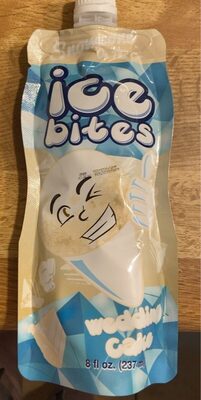 Ice Shack, LLC
Snowcone On The Go Ice Bites, Wedding Cake
47kcal
0Protein
0Fat
9.7Carbs
Helms Candy Co Inc
Peppermint Puffs
421kcal
0Protein
0Fat
100Carbs
Tropical Heaven By Omina Ortiz
Recaito Dona Lola
429kcal
14.3Protein
0Fat
100Carbs
Hy-Vee, Inc.
Ham Salad
High in sodium — 41% DV per serving
209kcal
16.4Protein
12.7Fat
12.7Carbs
McCormick Distilling Company
Margarita Mix Azul
High in added sugars — 36% DV per serving
68kcal
0Protein
0Fat
15.8Carbs
R.M. Palmer Co.
Peppermint Bark, Dark Chocolate
High in saturated fat — 65% DV per serving
523kcal
2.3Protein
31.8Fat
63.6Carbs
Evans Products Co.-Paint Div.
Helms, Peppermint Puffs
400kcal
0Protein
0Fat
90Carbs
Joyva Corp
Chocolate Covered Jelle, Chocolate
High in added sugars — 40% DV per serving
381kcal
0Protein
6.0Fat
81.0Carbs
Joyva Corp
Chocolate Covered Orange Ring Jells, Orange; Chocolate
High in added sugars — 38% DV per serving
395kcal
0Protein
6.6Fat
84.2Carbs
Joyva Corp
Chocolate Covered Ring Jells, Chocolate
High in added sugars — 38% DV per serving
385kcal
0Protein
6.4Fat
79.5Carbs
Ice Shack, LLC
Snowcone On The Go Ice Bites, Wedding Cake
47kcal
0Protein
0Fat
9.7Carbs
Helms Candy Co Inc
Peppermint Puffs
421kcal
0Protein
0Fat
100Carbs
Tropical Heaven By Omina Ortiz
Recaito Dona Lola
429kcal
14.3Protein
0Fat
100Carbs
Hy-Vee, Inc.
Ham Salad
High in sodium — 41% DV per serving
209kcal
16.4Protein
12.7Fat
12.7Carbs
McCormick Distilling Company
Margarita Mix Azul
High in added sugars — 36% DV per serving
68kcal
0Protein
0Fat
15.8Carbs
R.M. Palmer Co.
Peppermint Bark, Dark Chocolate
High in saturated fat — 65% DV per serving
523kcal
2.3Protein
31.8Fat
63.6Carbs
Evans Products Co.-Paint Div.
Helms, Peppermint Puffs
400kcal
0Protein
0Fat
90Carbs
Joyva Corp
Chocolate Covered Jelle, Chocolate
High in added sugars — 40% DV per serving
381kcal
0Protein
6.0Fat
81.0Carbs
Joyva Corp
Chocolate Covered Orange Ring Jells, Orange; Chocolate
High in added sugars — 38% DV per serving
395kcal
0Protein
6.6Fat
84.2Carbs
Joyva Corp
Chocolate Covered Ring Jells, Chocolate
High in added sugars — 38% DV per serving
385kcal
0Protein
6.4Fat
79.5Carbs