Certified Organic Pasteurized Cream
Auto-generated content. This description was generated automatically and is pending editorial review. Inaccuracies are possible. Found a mistake? Contact us.
What it is
Cream is the fatty part of milk that rises to the top when milk is left to stand. It is separated from milk and then pasteurized, meaning it's heated to a specific temperature for a set time to kill harmful bacteria. When labeled "organic," it means the cream comes from cows raised according to USDA organic farming standards, which prohibit the use of synthetic hormones, certain pesticides, and antibiotics.
Why it's used
Cream is widely used in food manufacturing to add richness, flavor, and a smooth, luxurious texture. It is a primary ingredient in dairy products such as butter, ice cream, and sour cream. Beyond dairy, it's frequently incorporated into soups, sauces, baked goods, and desserts to enhance their palatability and mouthfeel.
Health notes
Certified Organic Pasteurized Cream is a natural food product, not a food additive, and is not subject to FDA approval as such. It is primarily composed of fat, including saturated fat. The 2025-2030 Dietary Guidelines for Americans recommend limiting saturated fat intake to less than 10% of daily calories. JECFA and EFSA typically evaluate food additives and contaminants, not whole food ingredients like cream.
Allergen info
Cream is a dairy product and is derived from milk, which is one of the nine major food allergens identified by the FDA.
Products containing Certified Organic Pasteurized Cream
Compare products →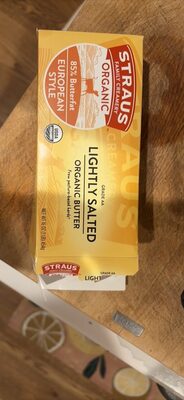 Straus Family Creamery
Lightly Salted European Style Butter, Lightly Salted
High in saturated fat — 45% DV per serving
786kcal
0Protein
85.7Fat
0Carbs
Culinevo Kitchen, Inc.
Organic Tomato Bisque, Organic Tomato
High in sodium — 21% DV per serving
High in saturated fat — 35% DV per serving
73kcal
0.8Protein
4.5Fat
7.8Carbs
Sierra Nevada Cheese Co.
European Style Salted Butter Vat-Cultured, European Style
High in saturated fat — 35% DV per serving
786kcal
0Protein
85.7Fat
0Carbs
Sierra Nevada Cheese Co.
Unsalted Butter, Unsalted
High in saturated fat — 35% DV per serving
786kcal
0Protein
85.7Fat
0Carbs
Straus Family Creamery
Unsalted European Style Butter, Unsalted
High in saturated fat — 45% DV per serving
786kcal
0Protein
85.7Fat
0Carbs
Straus Family Creamery
Lightly Salted European Style Butter, Lightly Salted
High in saturated fat — 45% DV per serving
786kcal
0Protein
85.7Fat
0Carbs
Culinevo Kitchen, Inc.
Organic Tomato Bisque, Organic Tomato
High in sodium — 21% DV per serving
High in saturated fat — 35% DV per serving
73kcal
0.8Protein
4.5Fat
7.8Carbs
Sierra Nevada Cheese Co.
European Style Salted Butter Vat-Cultured, European Style
High in saturated fat — 35% DV per serving
786kcal
0Protein
85.7Fat
0Carbs
Sierra Nevada Cheese Co.
Unsalted Butter, Unsalted
High in saturated fat — 35% DV per serving
786kcal
0Protein
85.7Fat
0Carbs
Straus Family Creamery
Unsalted European Style Butter, Unsalted
High in saturated fat — 45% DV per serving
786kcal
0Protein
85.7Fat
0Carbs
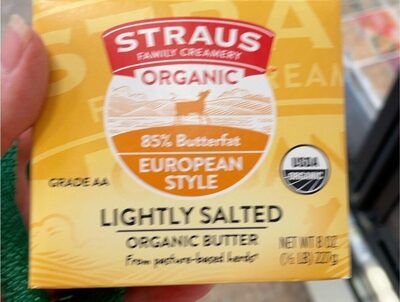 Straus Family Creamery
Lightly Salted European Style Butter, Lightly Salted
High in saturated fat — 45% DV per serving
786kcal
0Protein
85.7Fat
0Carbs
Straus Family Creamery
Lightly Salted European Style Butter, Lightly Salted
High in saturated fat — 45% DV per serving
786kcal
0Protein
85.7Fat
0Carbs
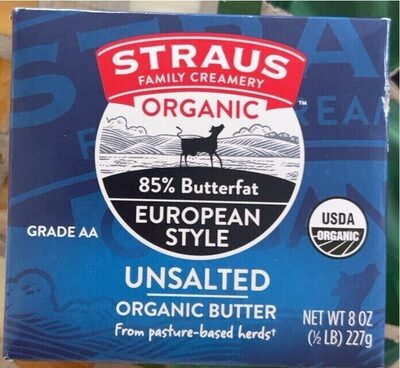 Straus Family Creamery
Unsalted European Style Butter, Unsalted
High in saturated fat — 45% DV per serving
786kcal
0Protein
85.7Fat
0Carbs
Straus Family Creamery
Unsalted European Style Butter, Unsalted
High in saturated fat — 45% DV per serving
786kcal
0Protein
85.7Fat
0Carbs