Cheddar & Romano Cheese
Auto-generated content. This description was generated automatically and is pending editorial review. Inaccuracies are possible. Found a mistake? Contact us.
What it is
Cheddar and Romano are both hard, aged cheeses. Cheddar originates from England and is typically made from cow's milk, known for its sharp, nutty flavor. Romano cheese, traditionally made from sheep's milk in Italy, has a saltier, more pungent taste.
Why it's used
These cheeses are added to foods for their distinct savory and salty flavor profiles. They are commonly used in pasta dishes, pizzas, sauces, and as toppings for snacks like chips and crackers.
Health notes
Cheddar and Romano cheeses are generally recognized as safe (GRAS) by the FDA as food ingredients. They are natural sources of protein, calcium, and vitamin B12. Regulatory bodies like JECFA and EFSA have evaluated cheese as part of broader food categories. While generally considered healthy in moderation as part of a balanced diet, their high sodium and saturated fat content may be a concern for individuals managing blood pressure or cholesterol.
Allergen info
Cheddar and Romano cheeses are derived from milk, which is one of the 9 FDA major allergens. They do not contain gluten.
Products containing Cheddar & Romano Cheese
Compare products →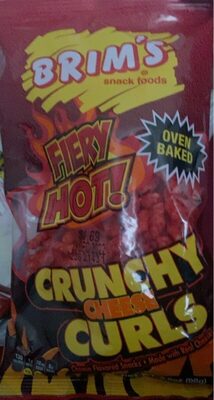 Brimhall Foods Co. Inc.
Cheese Crunchy Curls Snacks, Cheese
464kcal
3.6Protein
25Fat
57.1Carbs
Brimhall Foods Co. Inc.
Cheese Crunchy Curls Snacks, Cheese
464kcal
3.6Protein
25Fat
57.1Carbs
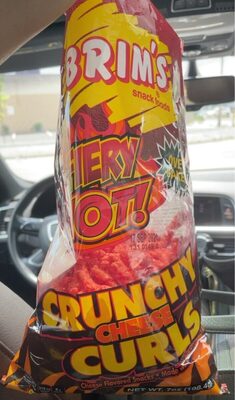 Brimhall Foods Co. Inc.
Crunchy Cheese Curls Snack Foods, Crunchy Cheese Curls
464kcal
3.6Protein
25Fat
57.1Carbs
Meijer, Inc.
Jalapeno Cheddar Crunchy Curls Corn Snack, Jalapeno Cheddar
607kcal
7.1Protein
46.4Fat
42.9Carbs
Brimhall Foods Co. Inc.
Crunchy Cheese Curls Snack Foods, Crunchy Cheese Curls
464kcal
3.6Protein
25Fat
57.1Carbs
Meijer, Inc.
Jalapeno Cheddar Crunchy Curls Corn Snack, Jalapeno Cheddar
607kcal
7.1Protein
46.4Fat
42.9Carbs