Cheeses Cultures
What is Cheeses Cultures?
Cheese cultures are live microorganisms, typically bacteria, that are added to milk during cheesemaking. These microbes ferment lactose (milk sugar) into lactic acid, which helps to develop the characteristic flavor, texture, and aroma of different cheeses. They are essential for the transformation of milk into cheese.
Is Cheeses Cultures vegan?
No. Cheeses Cultures is animal-derived, so it is not vegan.
Is Cheeses Cultures a major allergen?
Not a major allergen.
What is Cheeses Cultures used for?
Manufacturers use cheese cultures to initiate and control the fermentation process in dairy products.
Is Cheeses Cultures safe?
Cheese cultures are generally recognized as safe (GRAS) by the FDA for use in food.
Why it's used
Manufacturers use cheese cultures to initiate and control the fermentation process in dairy products. They are crucial for producing a wide variety of cheeses, including cheddar, Swiss, and blue cheese, by influencing flavor development and curd formation. They are found in most types of cheese and some fermented dairy products.
Health notes
Cheese cultures are generally recognized as safe (GRAS) by the FDA for use in food. The microorganisms used are often the same ones found naturally in fermented foods and are considered beneficial by some for gut health, though specific health claims are not made by regulatory bodies. International bodies like EFSA have evaluated starter cultures, but no specific concerns have been raised regarding their use in typical food applications.
Allergen info
Not a major allergen. However, cheese itself is a dairy product derived from milk, which is one of the 9 FDA major allergens.
Foods that contain Cheeses Cultures
Compare products →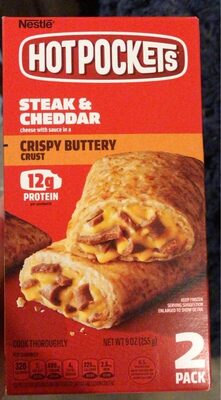
Learn more
Auto-generated content. This description was generated automatically and is pending editorial review. Inaccuracies are possible. Found a mistake? Contact us.