Chia Seed Oil
Auto-generated content. This description was generated automatically and is pending editorial review. Inaccuracies are possible. Found a mistake? Contact us.
What it is
Chia seed oil is extracted from the tiny seeds of the Salvia hispanica L. plant, a flowering herb native to Mexico and Guatemala. The oil is typically obtained through cold-pressing the seeds, a process that preserves its nutritional qualities.
Why it's used
Manufacturers use chia seed oil primarily as a source of healthy fats, particularly omega-3 fatty acids, in foods like energy bars, granola, and some beverages. It can also add a subtle nutty flavor and contribute to the texture of products like nut and seed butters.
Health notes
Chia seed oil is generally recognized as safe (GRAS) by the FDA for use in food. It is a rich source of alpha-linolenic acid (ALA), an omega-3 fatty acid. JECFA has evaluated chia seeds and their oil, and EFSA has also reviewed the scientific literature on ALA. While generally considered healthy, consuming very large amounts of any oil could contribute to excess calorie intake.
Allergen info
Chia seeds are not one of the nine major allergens identified by the FDA. They do not contain gluten.
Products containing Chia Seed Oil
Compare products →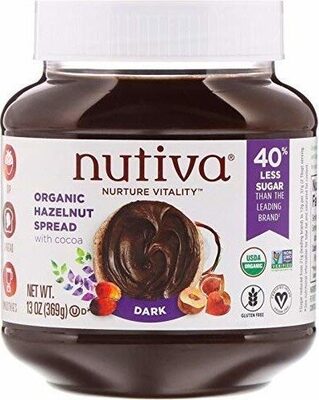 Nutiva, Inc.
Nutiva, Nurture Vitality, Organic Hazelnut Spread With Cocoa
High in saturated fat — 25% DV per serving
514kcal
8.1Protein
35.1Fat
48.6Carbs
Nutiva, Inc.
Classic Organic Hazelnut Spread With Cocoa
545kcal
4.5Protein
40.9Fat
45.5Carbs
Foods Alive Inc.
Artisan Cold-Pressed Omega Power
900kcal
0Protein
100Fat
0Carbs
Foods Alive Inc.
Artisan Cold-Pressed Omega Power
900kcal
0Protein
100Fat
0Carbs
Nutiva, Inc.
Organic Hazelnut Spread With Cocoa
545kcal
9.1Protein
36.4Fat
50Carbs
Nutiva, Inc.
Nutiva, Nurture Vitality, Organic Hazelnut Spread With Cocoa
High in saturated fat — 25% DV per serving
514kcal
8.1Protein
35.1Fat
48.6Carbs
Nutiva, Inc.
Classic Organic Hazelnut Spread With Cocoa
545kcal
4.5Protein
40.9Fat
45.5Carbs
Foods Alive Inc.
Artisan Cold-Pressed Omega Power
900kcal
0Protein
100Fat
0Carbs
Foods Alive Inc.
Artisan Cold-Pressed Omega Power
900kcal
0Protein
100Fat
0Carbs
Nutiva, Inc.
Organic Hazelnut Spread With Cocoa
545kcal
9.1Protein
36.4Fat
50Carbs
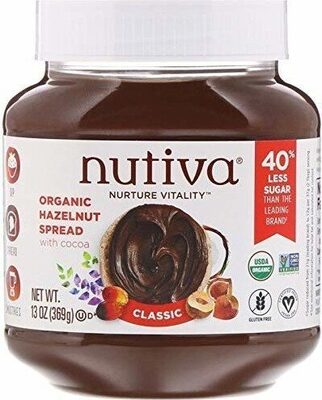 Nutiva, Inc.
Classic Hazelnut Organic Spread With Cocoa, Classic Hazelnut
High in saturated fat — 25% DV per serving
High in added sugars — 24% DV per serving
568kcal
8.1Protein
35.1Fat
54.0Carbs
Nutiva, Inc.
Classic Hazelnut Organic Spread With Cocoa, Classic Hazelnut
High in saturated fat — 25% DV per serving
High in added sugars — 24% DV per serving
568kcal
8.1Protein
35.1Fat
54.0Carbs