Chicken Mechanically-separated
What is Chicken Mechanically-separated?
Mechanically separated chicken is a paste-like poultry product made by<bos> removing meat from chicken bones using a sieve-like machine. This process recovers meat that would otherwise be discarded, such as from around the neck and carcass after deboning.
Is Chicken Mechanically-separated vegan?
No. Chicken Mechanically-separated is animal-derived, so it is not vegan.
Is Chicken Mechanically-separated a major allergen?
Not a major allergen.
What is Chicken Mechanically-separated used for?
Manufacturers use it as a cost-effective source of protein in processed meat products.
Is Chicken Mechanically-separated safe?
In the US, mechanically separated chicken is permitted for use in food.
Why it's used
Manufacturers use it as a cost-effective source of protein in processed meat products. It is commonly found in items like hot dogs, chicken nuggets, and some frozen meat dishes where a finer texture is desired.
Health notes
In the US, mechanically separated chicken is permitted for use in food. The FDA has evaluated its safety and allows its use under specific conditions. Regulatory bodies like JECFA have also reviewed similar meat separation processes. Typical consumption levels are not associated with adverse health effects.
Allergen info
Not a major allergen. It is derived from chicken, which is not one of the 9 FDA major allergens.
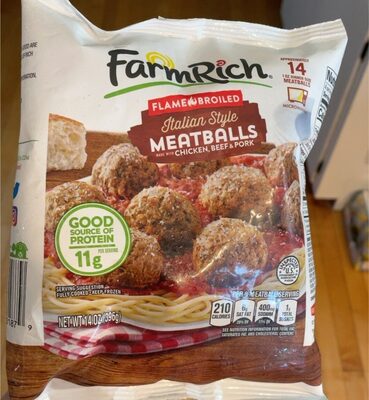
Foods that contain Chicken Mechanically-separated
Compare products →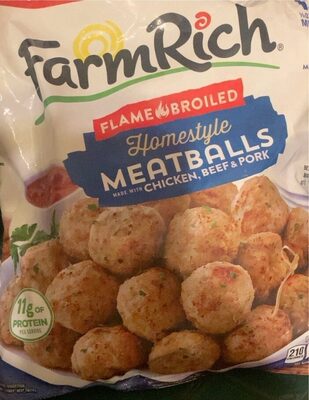
Learn more
Auto-generated content. This description was generated automatically and is pending editorial review. Inaccuracies are possible. Found a mistake? Contact us.