Chocolatey Coating
What is Chocolatey Coating?
Chocolatey coating is a sweet confection used to cover other foods. It is typically made from cocoa solids, sugar, and fat, often with added emulsifiers like lecithin. The fat source can be cocoa butter, vegetable oils, or a combination.
Is Chocolatey Coating a major allergen?
Chocolatey coatings may contain major allergens depending on the specific ingredients used.
What is Chocolatey Coating used for?
Manufacturers use chocolatey coating to add a sweet, chocolate flavor and a firm yet meltable texture to foods.
Is Chocolatey Coating safe?
Chocolatey coatings are generally considered safe by the FDA when used as intended.
Why it's used
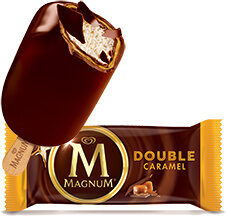
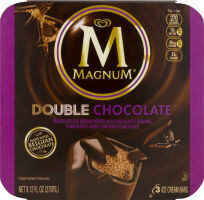
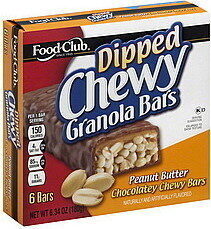
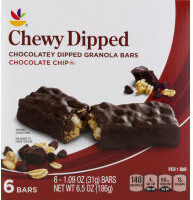
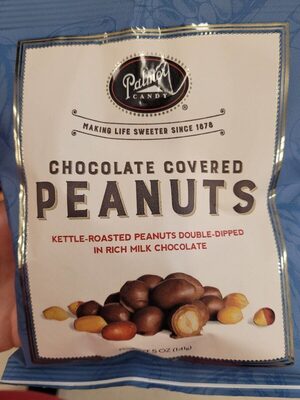
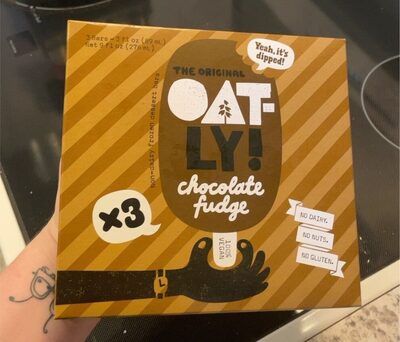
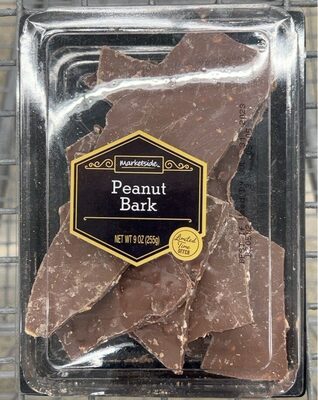
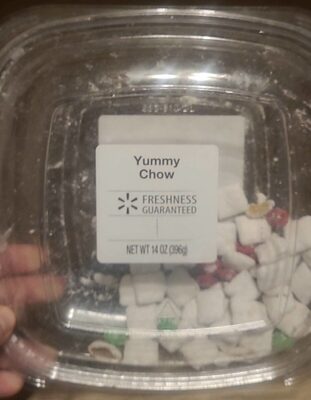
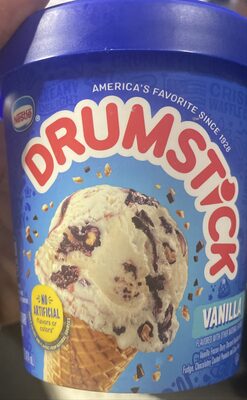
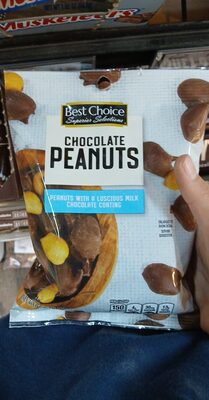
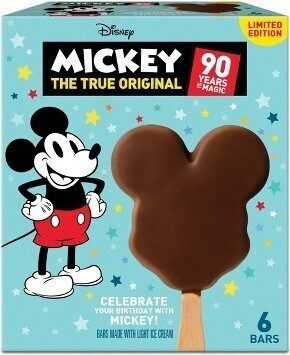
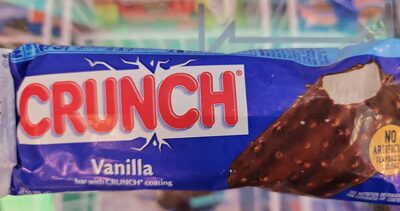
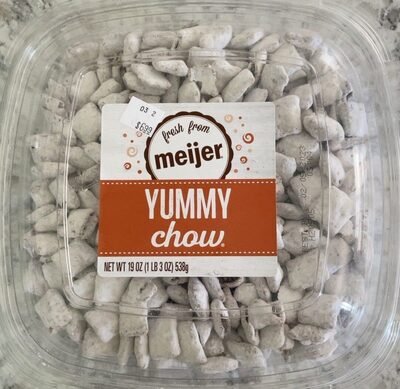
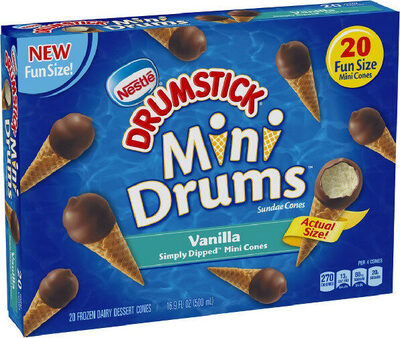
Manufacturers use chocolatey coating to add a sweet, chocolate flavor and a firm yet meltable texture to foods. It's commonly found on ice cream bars, cookies, candies, and baked goods, providing a desirable outer layer.
Health notes
Chocolatey coatings are generally considered safe by the FDA when used as intended. The primary ingredients, sugar and fat, contribute calories and can impact blood sugar levels. Regulatory bodies like JECFA have evaluated many of the common ingredients used in these coatings. Evidence does not suggest significant health concerns at typical consumption levels.
Allergen info
Chocolatey coatings may contain major allergens depending on the specific ingredients used. Soy lecithin is a common emulsifier derived from soy. Some may also contain milk ingredients. Not a major allergen unless derived from soy or milk.
Foods that contain Chocolatey Coating
Compare products →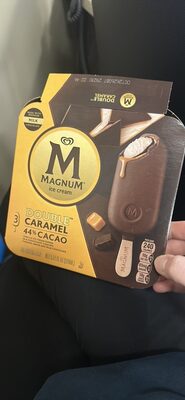





Auto-generated content. This description was generated automatically and is pending editorial review. Inaccuracies are possible. Found a mistake? Contact us.