Cholecalciferol Vitamin D3
Auto-generated content. This description was generated automatically and is pending editorial review. Inaccuracies are possible. Found a mistake? Contact us.
What it is
Cholecalciferol is a form of Vitamin D, often called Vitamin D3. It is naturally produced in the skin of humans and animals when exposed to sunlight. It can also be synthesized for use as a food additive.
Why it's used
Cholecalciferol is added to foods as a nutrient to fortify them with Vitamin D. It is commonly found in dairy products like milk and cheese, as well as in cereals, orange juice, and some margarines.
Health notes
The U.S. Food and Drug Administration (FDA) lists cholecalciferol as Generally Recognized As Safe (GRAS) when used as a nutrient. Vitamin D is essential for bone health and immune function. International bodies like the Joint FAO/WHO Expert Committee on Food Additives (JECFA) and the European Food Safety Authority (EFSA) have evaluated Vitamin D and its forms. Evidence suggests adequate Vitamin D intake supports overall health, but excessive amounts can be harmful.
Allergen info
Cholecalciferol is not derived from any of the nine FDA major allergens. It does not contain gluten.
Products containing Cholecalciferol Vitamin D3
Compare products →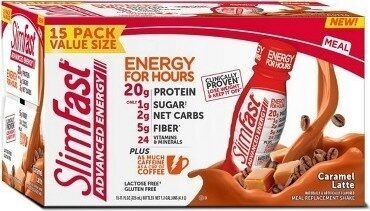 KSF Acquisition Corporation
Caramel Latte Flavored Advanced Energy Meal Replacement Shake, Caramel Latte
55kcal
6.2Protein
2.8Fat
2.1Carbs
KSF Acquisition Corporation
Caramel Latte Flavored Advanced Energy Meal Replacement Shake, Caramel Latte
55kcal
6.2Protein
2.8Fat
2.1Carbs
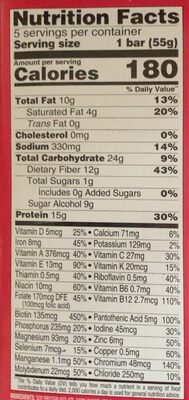 KSF Acquisition Corporation
Peanut Butter Crunch Flavored Meal Replacement Bars, Peanut Butter Crunch
High in saturated fat — 20% DV per serving
327kcal
27.3Protein
18.2Fat
43.6Carbs
KSF Acquisition Corporation
Peanut Butter Crunch Flavored Meal Replacement Bars, Peanut Butter Crunch
High in saturated fat — 20% DV per serving
327kcal
27.3Protein
18.2Fat
43.6Carbs
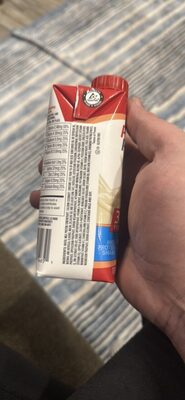 Premier Nutrition Corporation
Strawberries & Cream High Protein Shake, Strawberries & Cream
48kcal
9.1Protein
0.9Fat
1.2Carbs
Walgreens Co.
Creamy Milk Chocolate Regular Nutritional Shake, Creamy Milk Chocolate
High in added sugars — 26% DV per serving
93kcal
3.8Protein
2.1Fat
14.3Carbs
Premier Nutrition Corporation
Strawberries & Cream High Protein Shake, Strawberries & Cream
48kcal
9.1Protein
0.9Fat
1.2Carbs
Walgreens Co.
Creamy Milk Chocolate Regular Nutritional Shake, Creamy Milk Chocolate
High in added sugars — 26% DV per serving
93kcal
3.8Protein
2.1Fat
14.3Carbs
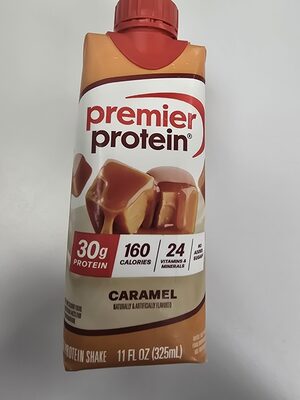 Premier Nutrition Corporation
High Protein 30 G Shake, Caramel, Caramel
48kcal
9.1Protein
0.9Fat
1.2Carbs
Premier Nutrition Corporation
High Protein 30 G Shake, Caramel, Caramel
48kcal
9.1Protein
0.9Fat
1.2Carbs
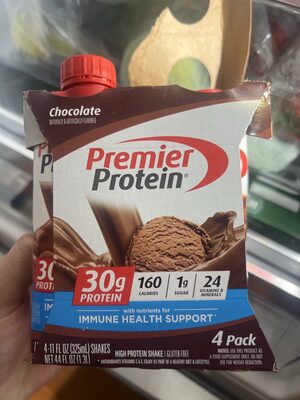 Premier Nutrition Corporation
Chocolate High Protein Shake, Chocolate
48kcal
9.1Protein
0.9Fat
1.5Carbs
Premier Nutrition Corporation
Chocolate High Protein Shake, Chocolate
48kcal
9.1Protein
0.9Fat
1.5Carbs