Chopped Sea Clams
What is Chopped Sea Clams?
Chopped sea clams are pieces of the edible muscle of the Atlantic clam, a bivalve mollusk found along the eastern coast of North America. They are typically harvested from wild populations, then cleaned, cooked, and chopped for use in food products.
Is Chopped Sea Clams vegan?
No. Chopped Sea Clams is animal-derived, so it is not vegan.
Is Chopped Sea Clams a major allergen?
Clams are classified as shellfish, which is one of the 9 FDA major allergens.
What is Chopped Sea Clams used for?
Manufacturers add chopped sea clams to provide a distinct seafood flavor and texture.
Is Chopped Sea Clams safe?
Chopped sea clams are a natural food ingredient and are not subject to FDA additive regulations.
Why it's used
Manufacturers add chopped sea clams to provide a distinct seafood flavor and texture. They are most commonly found in canned seafood dishes, chowders, bisques, pasta sauces, and other savory recipes where a clam taste is desired.
Health notes
Chopped sea clams are a natural food ingredient and are not subject to FDA additive regulations. They are a source of protein, vitamins, and minerals. As with any seafood, consumption should be mindful of potential mercury or other environmental contaminants, though clams are generally considered low in mercury. No specific regulatory bodies like JECFA or EFSA have evaluated them as a food additive.
Allergen info
Clams are classified as shellfish, which is one of the 9 FDA major allergens. People with shellfish allergies should avoid products containing chopped sea clams.
Foods that contain Chopped Sea Clams
Compare products →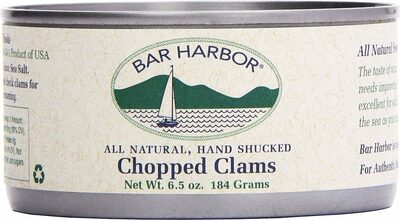 Look's Gourmet Food Company, Inc.
Chopped Clams
58kcal
13.3Protein
0Fat
0Carbs
Look's Gourmet Food Company, Inc.
Chopped Clams
58kcal
13.3Protein
0Fat
0Carbs
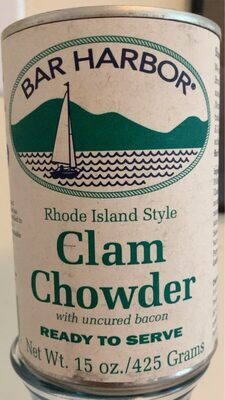 Look's Gourmet Food Company, Inc.
Rhode Island Style Clam Chowder, Rhode Island Style
High in sodium — 23% DV per serving
49kcal
2.5Protein
1.2Fat
7.4Carbs
United Natural Foods, Inc.
Chopped Wild Clams With Salt
High in sodium — 21% DV per serving
33kcal
6.7Protein
0Fat
1.7Carbs
Look's Gourmet Food Company, Inc.
Mediterranean Clam Soup, Mediterranean Clam
High in sodium — 25% DV per serving
45kcal
3.3Protein
1.0Fat
5.7Carbs
Look's Gourmet Food Company, Inc.
Rhode Island Style Clam Chowder, Rhode Island Style
High in sodium — 23% DV per serving
49kcal
2.5Protein
1.2Fat
7.4Carbs
United Natural Foods, Inc.
Chopped Wild Clams With Salt
High in sodium — 21% DV per serving
33kcal
6.7Protein
0Fat
1.7Carbs
Look's Gourmet Food Company, Inc.
Mediterranean Clam Soup, Mediterranean Clam
High in sodium — 25% DV per serving
45kcal
3.3Protein
1.0Fat
5.7Carbs
Learn more
Auto-generated content. This description was generated automatically and is pending editorial review. Inaccuracies are possible. Found a mistake? Contact us.