Chum Salmon
What is Chum Salmon?
Chum salmon (Oncorhynchus keta) is a species of Pacific salmon. It is found in the northern Pacific Ocean and is one of the most abundant salmon species. It is harvested for its flesh, which is commonly sold fresh, frozen, or smoked.
Is Chum Salmon vegan?
No. Chum Salmon is animal-derived, so it is not vegan.
Is Chum Salmon a major allergen?
Chum salmon is a fish, which is one of the 9 major allergens recognized by the FDA.
What is Chum Salmon used for?
Chum salmon is primarily used as a source of protein and flavor in seafood dishes.
Is Chum Salmon safe?
Chum salmon is a natural food source and is not an additive that requires FDA approval.
Why it's used
Chum salmon is primarily used as a source of protein and flavor in seafood dishes. It is often found in frozen fish products, smoked salmon preparations, and fish burgers. Its mild flavor and firm texture make it versatile for various cooking methods.
Health notes
Chum salmon is a natural food source and is not an additive that requires FDA approval. It is a good source of protein, omega-3 fatty acids, and vitamin D. Regulatory bodies like the WHO/IARC have evaluated fish consumption in general, noting the benefits of omega-3 fatty acids. There are no widespread controversies regarding the consumption of chum salmon at typical dietary levels.
Allergen info
Chum salmon is a fish, which is one of the 9 major allergens recognized by the FDA. Individuals with a fish allergy should avoid consuming chum salmon.
Foods that contain Chum Salmon
Compare products →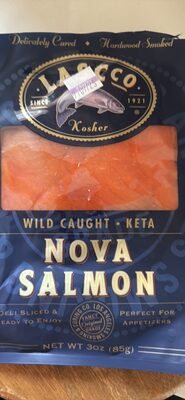
Learn more
Auto-generated content. This description was generated automatically and is pending editorial review. Inaccuracies are possible. Found a mistake? Contact us.