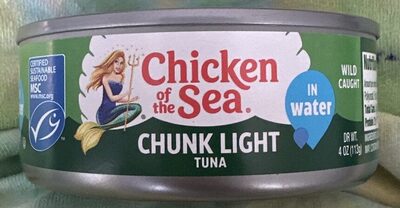
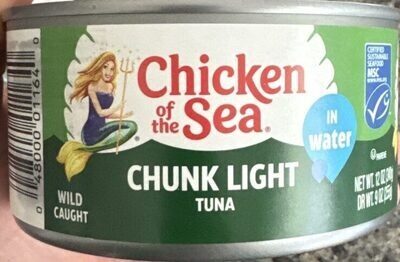
Chunk Light Tuna
What is Chunk Light Tuna?
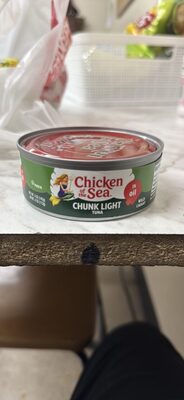
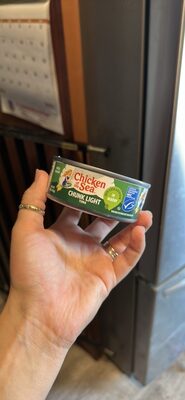
Chunk light tuna refers to pieces of light-colored tuna meat, typically skipjack or yellowfin, packed in water or oil. It is a type of fish commonly found in oceans worldwide. After being caught, the tuna is processed, cooked, and canned.
Is Chunk Light Tuna vegan?
No. Chunk Light Tuna is animal-derived, so it is not vegan.
Is Chunk Light Tuna gluten-free?
It does not contain gluten.
Is Chunk Light Tuna a major allergen?
Tuna is a fish, which is one of the 9 FDA major allergens.
What is Chunk Light Tuna used for?
Tuna is primarily used as a source of protein and flavor in various food products.
Is Chunk Light Tuna safe?
Tuna is a source of protein, omega-3 fatty acids, and vitamin D.
Why it's used
Tuna is primarily used as a source of protein and flavor in various food products. It is most frequently found in canned tuna preparations, but also appears in pasta sauces, sandwiches, and salads. Manufacturers use it to add a savory taste and substantial texture.
Health notes
Tuna is a source of protein, omega-3 fatty acids, and vitamin D. However, it can also contain mercury, a heavy metal. The FDA advises certain groups, including pregnant women and young children, to limit their intake of certain types of tuna due to mercury levels. JECFA has evaluated tuna and established guidelines for mercury levels in fish. The U.S. National Academies have set upper intake levels for mercury.
Allergen info
Tuna is a fish, which is one of the 9 FDA major allergens. It does not contain gluten.
Foods that contain Chunk Light Tuna
Compare products →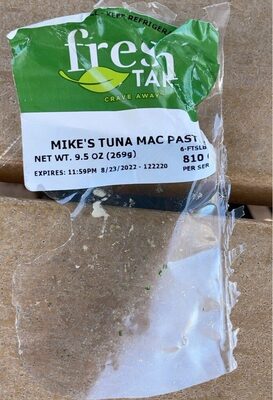
Learn more
Auto-generated content. This description was generated automatically and is pending editorial review. Inaccuracies are possible. Found a mistake? Contact us.