Citric Acid Corn Starch
What is Citric Acid Corn Starch?
Citric acid is a weak organic acid found naturally in citrus fruits. It is produced commercially by fermenting a sugar source, usually corn starch, with a specific strain of mold (Aspergillus niger). This process yields a purified acid that is widely used in the food industry.
Is Citric Acid Corn Starch vegan?
Citric Acid Corn Starch is not animal-derived. Products that contain it can still include other animal-derived ingredients, so check the full ingredient list.
Is Citric Acid Corn Starch gluten-free?
It does not contain gluten.
Is Citric Acid Corn Starch a major allergen?
Not a major allergen.
What is Citric Acid Corn Starch used for?
Citric acid is primarily used as an acidity regulator and flavor enhancer.
Is Citric Acid Corn Starch safe?
Citric acid is generally recognized as safe (GRAS) by the FDA for use in food.
Why it's used
Citric acid is primarily used as an acidity regulator and flavor enhancer. It provides a tart, sour taste and can also act as a preservative by inhibiting microbial growth. It's commonly found in beverages, candies, jams, and processed foods to balance sweetness and improve flavor.
Health notes
Citric acid is generally recognized as safe (GRAS) by the FDA for use in food. It is a natural component of the body's energy-producing metabolic pathways. International bodies like JECFA and EFSA have evaluated citric acid and found it safe for consumption. At typical intake levels found in food, it does not pose health risks.
Allergen info
Not a major allergen. Citric acid is not derived from any of the 9 major allergens. It does not contain gluten.
Foods that contain Citric Acid Corn Starch
Compare products →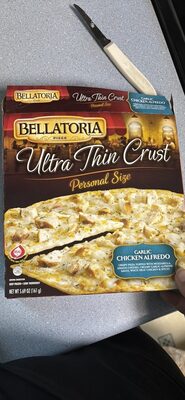 Bernatello's Pizza, Inc.
Garlic Chicken Alfredo Crispy Pizza Topped With Mozzarella, Asiago Cheeses, Creamy Garlic Alfredo Sauce, White Meat Chicken & Spices Ultra Thin Crust Pizza, Garlic Chicken Alfredo
High in sodium — 42% DV per serving
High in saturated fat — 35% DV per serving
High in cholesterol — 20% DV per serving
213kcal
15.4Protein
10.1Fat
18.3Carbs
Demers Food Group Inc.
Turkey Sausage, Cheddar, & Bell Pepper Eggwraps, Turkey Sausage
High in sodium — 25% DV per serving
High in saturated fat — 25% DV per serving
High in cholesterol — 60% DV per serving
140kcal
12.4Protein
8.3Fat
4.1Carbs
The Kroger Co.
Marble Cake With Buttercreme Icing, Marble With Buttercreme Icing
—kcal
2.5Protein
14.8Fat
58.0Carbs
Bernatello's Pizza, Inc.
Garlic Chicken Alfredo Crispy Pizza Topped With Mozzarella, Asiago Cheeses, Creamy Garlic Alfredo Sauce, White Meat Chicken & Spices Ultra Thin Crust Pizza, Garlic Chicken Alfredo
High in sodium — 42% DV per serving
High in saturated fat — 35% DV per serving
High in cholesterol — 20% DV per serving
213kcal
15.4Protein
10.1Fat
18.3Carbs
Demers Food Group Inc.
Turkey Sausage, Cheddar, & Bell Pepper Eggwraps, Turkey Sausage
High in sodium — 25% DV per serving
High in saturated fat — 25% DV per serving
High in cholesterol — 60% DV per serving
140kcal
12.4Protein
8.3Fat
4.1Carbs
The Kroger Co.
Marble Cake With Buttercreme Icing, Marble With Buttercreme Icing
—kcal
2.5Protein
14.8Fat
58.0Carbs
Auto-generated content. This description was generated automatically and is pending editorial review. Inaccuracies are possible. Found a mistake? Contact us.