Citric Aid
Auto-generated content. This description was generated automatically and is pending editorial review. Inaccuracies are possible. Found a mistake? Contact us.
What it is
Citric acid is a weak organic acid naturally found in citrus fruits like lemons and limes. It is commercially produced through the fermentation of carbohydrate feedstocks, such as corn or sugarcane, using specific strains of the mold Aspergillus niger. This process yields a pure, crystalline powder that is widely used in the food industry.
Why it's used
Manufacturers add citric acid primarily to control acidity and enhance flavor in foods and beverages. It acts as a preservative by inhibiting microbial growth and as an antioxidant to prevent spoilage. It is commonly found in candies, jams, jellies, soft drinks, and processed fruits and vegetables.
Health notes
In the United States, citric acid is generally recognized as safe (GRAS) by the FDA for use as a food additive. It is considered safe when consumed in amounts typically found in food. International bodies like JECFA have evaluated citric acid and found it safe for consumption. There are no widespread controversies regarding its safety at normal dietary levels.
Allergen info
Citric acid is not derived from any of the nine FDA major allergens. It does not contain gluten.
Products containing Citric Aid
Compare products →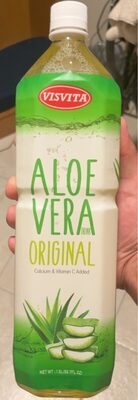 Yein USA Inc.
Juice House Aloe Vera Drink
40kcal
0Protein
0Fat
11.0Carbs
RB. Confections, Lc.
Dierbergs Markets, Soft Cherry Candy Balls
400kcal
0Protein
100Fat
100Carbs
Target Stores
Market Pantry, Whole Wheat 6 Pri-Sliced Bagels
222kcal
7.4Protein
1.2Fat
44.4Carbs
Heartland Sweeteners, LLC
Energy Liquid Water Enhancer
0kcal
0Protein
0Fat
0Carbs
DiverseID
Hype Energy, Mojito Energy Drink
48kcal
0Protein
0Fat
11.2Carbs
Meijer, Inc.
Michigan Cherry Jalapeno Dip, Michigan Cherry Jalapeno
250kcal
3.6Protein
21.4Fat
17.9Carbs
George DeLallo Co., Inc.
Marinated Artichokes Quartered Hearts, Marinated
54kcal
0Protein
0Fat
7.1Carbs
Nardone Brothers Baking Co. Inc.
Pizza, Whole Grain, Pepperoni, Cheese Stuffed Crust
High in sodium — 28% DV per serving
High in saturated fat — 40% DV per serving
250kcal
12.9Protein
12.9Fat
20Carbs
Yein USA Inc.
Juice House Aloe Vera Drink
40kcal
0Protein
0Fat
11.0Carbs
RB. Confections, Lc.
Dierbergs Markets, Soft Cherry Candy Balls
400kcal
0Protein
100Fat
100Carbs
Target Stores
Market Pantry, Whole Wheat 6 Pri-Sliced Bagels
222kcal
7.4Protein
1.2Fat
44.4Carbs
Heartland Sweeteners, LLC
Energy Liquid Water Enhancer
0kcal
0Protein
0Fat
0Carbs
DiverseID
Hype Energy, Mojito Energy Drink
48kcal
0Protein
0Fat
11.2Carbs
Meijer, Inc.
Michigan Cherry Jalapeno Dip, Michigan Cherry Jalapeno
250kcal
3.6Protein
21.4Fat
17.9Carbs
George DeLallo Co., Inc.
Marinated Artichokes Quartered Hearts, Marinated
54kcal
0Protein
0Fat
7.1Carbs
Nardone Brothers Baking Co. Inc.
Pizza, Whole Grain, Pepperoni, Cheese Stuffed Crust
High in sodium — 28% DV per serving
High in saturated fat — 40% DV per serving
250kcal
12.9Protein
12.9Fat
20Carbs