Citric & Tartaric Acids
Auto-generated content. This description was generated automatically and is pending editorial review. Inaccuracies are possible. Found a mistake? Contact us.
What it is
Citric acid is a weak organic acid that occurs naturally in citrus fruits. Tartaric acid is also a naturally occurring organic acid found in grapes and other fruits. Both are commonly produced industrially through fermentation using microorganisms.
Why it's used
These acids are frequently used as acidity regulators and flavor enhancers in a wide variety of foods and beverages. They provide a tart or sour taste and can also act as preservatives by lowering pH, which inhibits microbial growth. You'll find them in candies, jams, jellies, sauces, and processed cheeses.
Health notes
Citric acid and tartaric acid are generally recognized as safe (GRAS) by the FDA for use in food. International bodies like JECFA and EFSA have evaluated these substances. At typical consumption levels found in food, they are not associated with adverse health effects. Some individuals may experience tooth enamel erosion with very frequent consumption of highly acidic foods and drinks.
Allergen info
Citric and tartaric acids are not derived from any of the nine major allergens. They do not contain gluten.
Products containing Citric & Tartaric Acids
Compare products →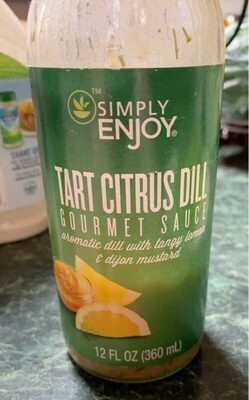 Ahold USA, Inc.
Tart Citrus Dill Gourmet Sauce
333kcal
0Protein
26.7Fat
23.3Carbs
Delhaize America, Inc.
Caribbean Mango Grilling Sauce
106kcal
0Protein
0Fat
24.2Carbs
Schlotterbeck & Foss Co. Inc.
Lemon Dill Sauce
367kcal
0Protein
30Fat
26.7Carbs
Schlotterbeck & Foss Co. Inc.
Pineapple Ham Glaze
316kcal
0Protein
0Fat
73.7Carbs
Delhaize America, Inc.
Lemon Dill Sauce
333kcal
0Protein
26.7Fat
23.3Carbs
Ahold USA, Inc.
Tart Citrus Dill Gourmet Sauce
333kcal
0Protein
26.7Fat
23.3Carbs
Delhaize America, Inc.
Caribbean Mango Grilling Sauce
106kcal
0Protein
0Fat
24.2Carbs
Schlotterbeck & Foss Co. Inc.
Lemon Dill Sauce
367kcal
0Protein
30Fat
26.7Carbs
Schlotterbeck & Foss Co. Inc.
Pineapple Ham Glaze
316kcal
0Protein
0Fat
73.7Carbs
Delhaize America, Inc.
Lemon Dill Sauce
333kcal
0Protein
26.7Fat
23.3Carbs
 Lake Ventures LLC
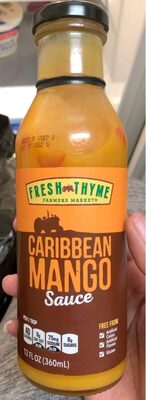
Caribbean Mango Sauce, Caribbean Mango
121kcal
0Protein
0Fat
24.2Carbs
BJ's Wholesale Club / Corporate Brands
Caribbean Mango Sauce, Caribbean Mango
106kcal
0Protein
0Fat
24.2Carbs
Lake Ventures LLC
Caribbean Mango Sauce, Caribbean Mango
121kcal
0Protein
0Fat
24.2Carbs
BJ's Wholesale Club / Corporate Brands
Caribbean Mango Sauce, Caribbean Mango
106kcal
0Protein
0Fat
24.2Carbs