Citric
Auto-generated content. This description was generated automatically and is pending editorial review. Inaccuracies are possible. Found a mistake? Contact us.
What it is
Citric acid is a weak organic acid found naturally in citrus fruits like lemons and oranges. It is commercially produced by the fermentation of sugars, typically from corn or other plant sources, using specific strains of the mold Aspergillus niger.
Why it's used
Citric acid is widely used as a flavor enhancer to provide a tart or sour taste, and as a preservative to extend shelf life by inhibiting microbial growth. It also functions as an acidity regulator, emulsifier, and antioxidant in a variety of foods and beverages, including jams, jellies, candies, and processed meats.
Health notes
In the U.S., citric acid is generally recognized as safe (GRAS) by the FDA for use in food. International bodies like JECFA and EFSA have evaluated citric acid and found it safe for consumption. At typical dietary levels, it is not associated with adverse health effects. Some individuals may experience mild digestive upset if they consume very large amounts.
Allergen info
Citric acid is not derived from any of the nine FDA major allergens. It does not contain gluten.
Products containing Citric
Compare products →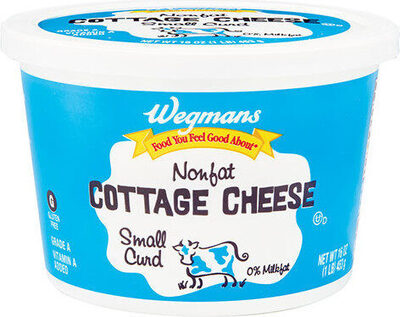 Wegmans Food Markets, Inc.
Wegmans, Cottage Cheese
62kcal
9.7Protein
0Fat
5.3Carbs
Chef Merito, Inc.
Adobo Tamales Verdes, Mild
0kcal
0Protein
0Fat
0Carbs
Lee-Thompson-Fawcett Company
Elderberry Jelly
250kcal
0Protein
0Fat
65Carbs
Lee-Thompson-Fawcett Company
Jam, Pineapple
250kcal
0Protein
0Fat
70Carbs
Lee-Thompson-Fawcett Company
Preserves, Peach
250kcal
0Protein
0Fat
70Carbs
Lee-Thompson-Fawcett Company
Preserves, Strawberry
250kcal
0Protein
0Fat
65Carbs
Lee-Thompson-Fawcett Company
Taste The Fruit 1St Preserves, Hot Pepper Peach
250kcal
0Protein
0Fat
65Carbs
Wegmans Food Markets, Inc.
Wegmans, Cottage Cheese
62kcal
9.7Protein
0Fat
5.3Carbs
Chef Merito, Inc.
Adobo Tamales Verdes, Mild
0kcal
0Protein
0Fat
0Carbs
Lee-Thompson-Fawcett Company
Elderberry Jelly
250kcal
0Protein
0Fat
65Carbs
Lee-Thompson-Fawcett Company
Jam, Pineapple
250kcal
0Protein
0Fat
70Carbs
Lee-Thompson-Fawcett Company
Preserves, Peach
250kcal
0Protein
0Fat
70Carbs
Lee-Thompson-Fawcett Company
Preserves, Strawberry
250kcal
0Protein
0Fat
65Carbs
Lee-Thompson-Fawcett Company
Taste The Fruit 1St Preserves, Hot Pepper Peach
250kcal
0Protein
0Fat
65Carbs