Clams And Clam Juice
What is Clams And Clam Juice?
Clams are bivalve mollusks found in marine and brackish habitats worldwide. Clam juice is the liquid extracted from clams, often during the canning process or by steaming them. It is used to add a distinct seafood flavor to foods.
Is Clams And Clam Juice vegan?
No. Clams And Clam Juice is animal-derived, so it is not vegan.
Is Clams And Clam Juice a major allergen?
Clams are classified as a major allergen by the FDA as they are a type of shellfish.
What is Clams And Clam Juice used for?
Clam juice is primarily used as a flavoring agent to impart a savory, briny taste characteristic of seafood.
Is Clams And Clam Juice safe?
Clams and clam juice are generally recognized as safe (GRAS) by the FDA for use in food.
Why it's used
Clam juice is primarily used as a flavoring agent to impart a savory, briny taste characteristic of seafood. It is commonly found in canned soups, sauces, chowders, and other seafood dishes where a concentrated clam flavor is desired.
Health notes
Clams and clam juice are generally recognized as safe (GRAS) by the FDA for use in food. They are a natural source of protein, vitamins, and minerals. The Joint FAO/WHO Expert Committee on Food Additives (JECFA) has evaluated clams and clam products, but did not set a numeric acceptable daily intake (ADI).
Allergen info
Clams are classified as a major allergen by the FDA as they are a type of shellfish. People with shellfish allergies should avoid products containing clams or clam juice.
Foods that contain Clams And Clam Juice
Compare products →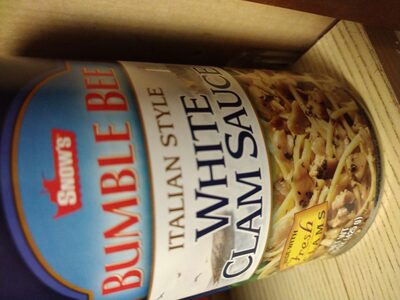
Learn more
Auto-generated content. This description was generated automatically and is pending editorial review. Inaccuracies are possible. Found a mistake? Contact us.