Coarse Salt
What is Coarse Salt?
Coarse salt is a type of salt characterized by its larger, more irregular crystals compared to fine table salt. It is primarily composed of sodium chloride, which is typically harvested from evaporated seawater or mined from underground salt deposits. The larger crystal size results in a distinct texture and slower dissolution.
Is Coarse Salt vegan?
Coarse Salt is not animal-derived. Products that contain it can still include other animal-derived ingredients, so check the full ingredient list.
Is Coarse Salt a major allergen?
Not a major allergen.
What is Coarse Salt used for?
Manufacturers use coarse salt to enhance the flavor of foods and to provide a desirable crunchy texture.
Is Coarse Salt safe?
Sodium chloride, the main component of coarse salt, is generally recognized as safe (GRAS) by the FDA.
Why it's used
Manufacturers use coarse salt to enhance the flavor of foods and to provide a desirable crunchy texture. It is frequently applied as a finishing salt on snacks such as chips and pretzels, and is a common ingredient in seasoning blends and marinades. Its larger crystals deliver a more pronounced burst of saltiness.
Health notes
Sodium chloride, the main component of coarse salt, is generally recognized as safe (GRAS) by the FDA. While sodium is an essential nutrient necessary for bodily functions, consuming too much sodium can contribute to high blood pressure in some individuals. The FDA's Daily Value for sodium is 2,300 mg per day. JECFA has evaluated sodium chloride; as an essential nutrient, an acceptable daily intake (ADI) is not typically set in the same manner as for other food additives.
Allergen info
Not a major allergen.
Foods that contain Coarse Salt
Compare products →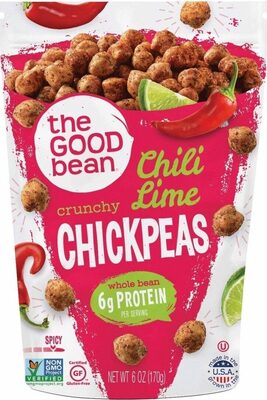
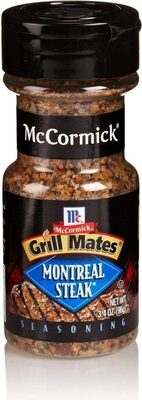
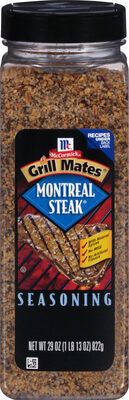
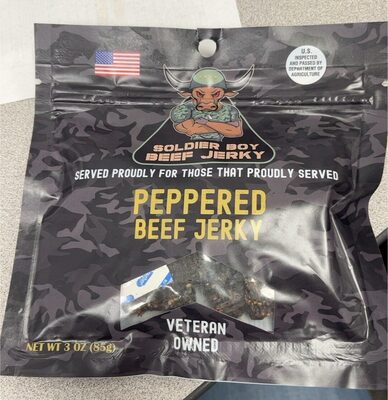
Learn more
Auto-generated content. This description was generated automatically and is pending editorial review. Inaccuracies are possible. Found a mistake? Contact us.