Coconut Nectar
What is Coconut Nectar?
Coconut nectar is a sweetener made from the sap of the coconut palm flower. The sap is harvested and then gently heated to evaporate some of the water, concentrating the natural sugars. It has a mild, caramel-like flavor.
Is Coconut Nectar vegan?
Coconut Nectar is not animal-derived. Products that contain it can still include other animal-derived ingredients, so check the full ingredient list.
Is Coconut Nectar gluten-free?
It is also gluten-free.
Is Coconut Nectar a major allergen?
Coconut nectar is not derived from any of the nine major allergens recognized by the FDA.
What is Coconut Nectar used for?
Manufacturers use coconut nectar primarily as a natural sweetener.
Is Coconut Nectar safe?
Coconut nectar is generally recognized as safe (GRAS) by the FDA when used as a food ingredient.
Why it's used
Manufacturers use coconut nectar primarily as a natural sweetener. Its liquid form and mild flavor make it suitable for a variety of products, including baked goods, energy bars, sauces, and beverages. It can also add a subtle color and depth of flavor.
Health notes
Coconut nectar is generally recognized as safe (GRAS) by the FDA when used as a food ingredient. It is primarily composed of sugars, including sucrose, glucose, and fructose. Like other caloric sweeteners, excessive consumption can contribute to increased calorie intake. International bodies like JECFA have evaluated sweeteners, but specific evaluations for coconut nectar are not widely published.
Allergen info
Coconut nectar is not derived from any of the nine major allergens recognized by the FDA. It is also gluten-free.
Foods that contain Coconut Nectar
Compare products →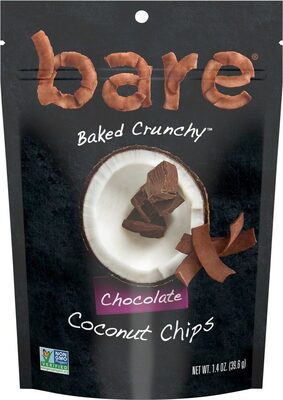
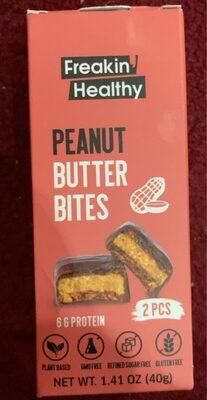

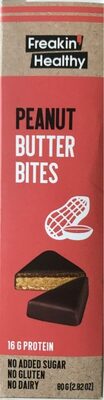
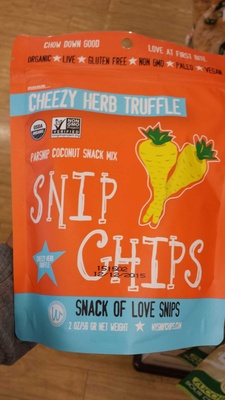
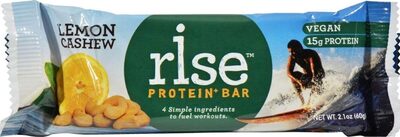
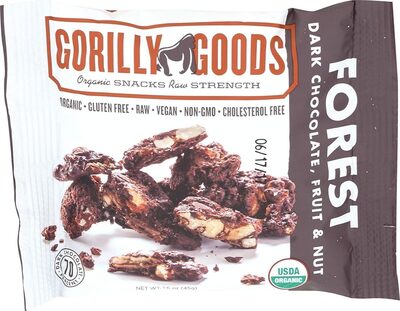
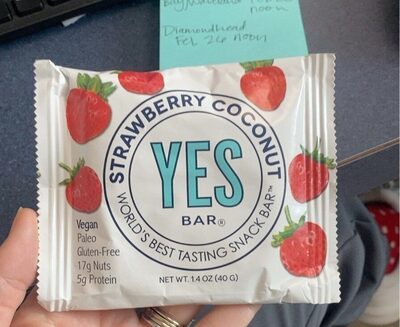
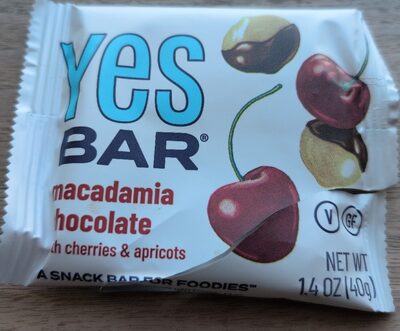
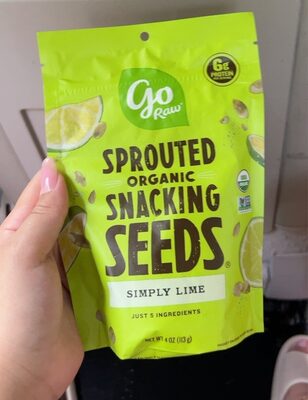
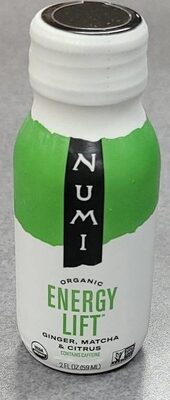
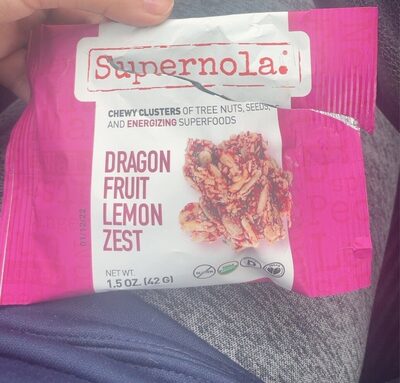
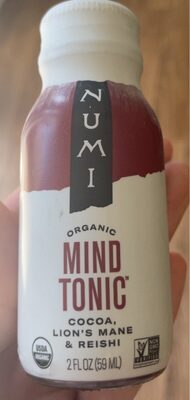
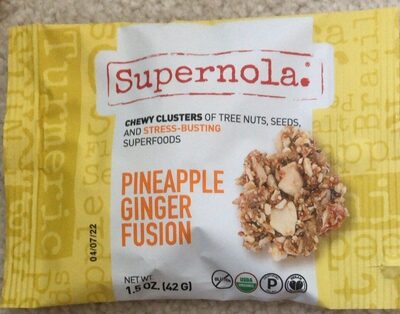
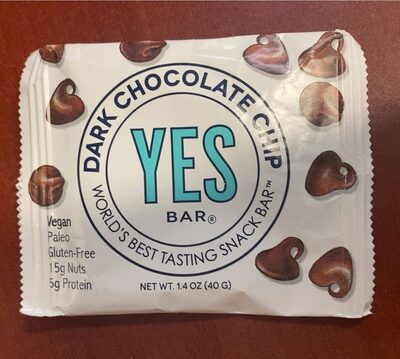
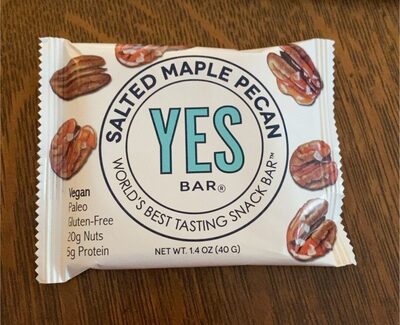
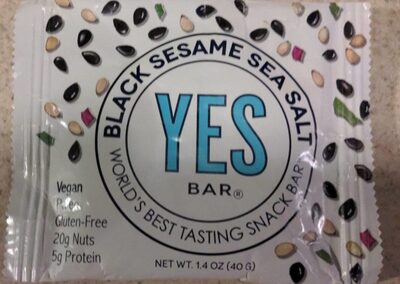 Yes Bar
Black Sesame Sea Salt Snack Bar, Black Sesame Sea Salt
550kcal
12.5Protein
42.5Fat
32.5Carbs
Learn more
Auto-generated content. This description was generated automatically and is pending editorial review. Inaccuracies are possible. Found a mistake? Contact us.