Colby Jack Cheese
What is Colby Jack Cheese?
Colby-Jack cheese, often called Co-Jack, is a semi-hard cheese made from a blend of Colby and Monterey Jack cheeses. It is produced by mixing Colby and Monterey Jack curds before pressing and aging. This process gives it a marbled appearance with white and orange-yellow streaks.
Is Colby Jack Cheese vegan?
No. Colby Jack Cheese is animal-derived, so it is not vegan.
Is Colby Jack Cheese gluten-free?
It does not contain gluten.
Is Colby Jack Cheese a major allergen?
Colby-Jack cheese is derived from milk, which is one of the 9 FDA major allergens.
What is Colby Jack Cheese used for?
Manufacturers use Colby-Jack cheese for its mild, slightly tangy flavor and good melting properties.
Is Colby Jack Cheese safe?
Colby-Jack cheese is a dairy product and a source of protein and calcium.
Why it's used
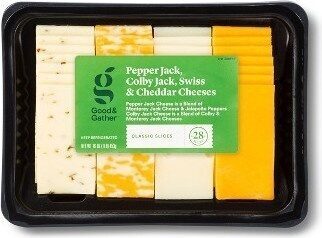
Manufacturers use Colby-Jack cheese for its mild, slightly tangy flavor and good melting properties. It is commonly found in shredded or sliced forms in a variety of prepared foods, including cheese platters, sandwiches, wraps, pizzas, and casseroles.
Health notes
Colby-Jack cheese is a dairy product and a source of protein and calcium. The FDA considers cheese and cheese products to be generally recognized as safe (GRAS). Like other dairy products, it contains lactose and saturated fat. JECFA and EFSA have evaluated many cheese products and their components. Evidence does not suggest adverse health effects from typical consumption of cheese as part of a balanced diet.
Allergen info
Colby-Jack cheese is derived from milk, which is one of the 9 FDA major allergens. It does not contain gluten.
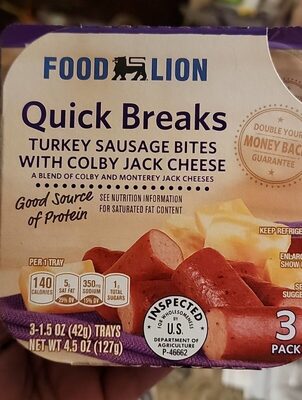
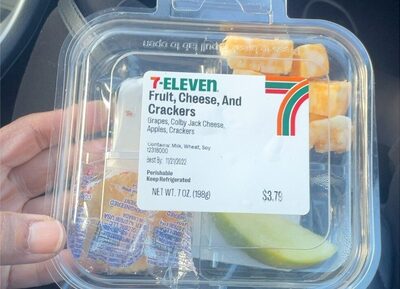
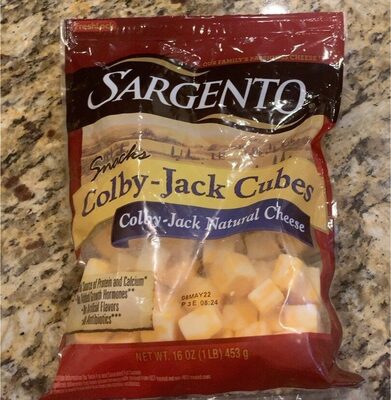
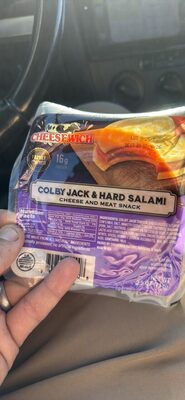
Foods that contain Colby Jack Cheese
Compare products →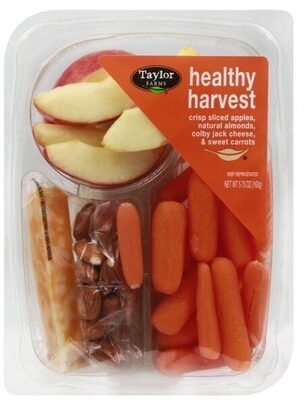
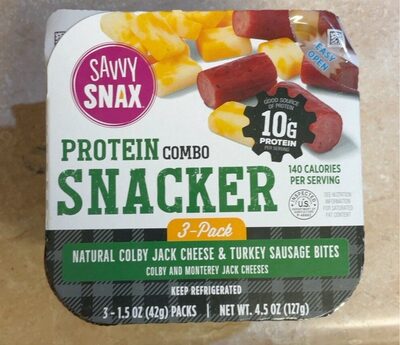
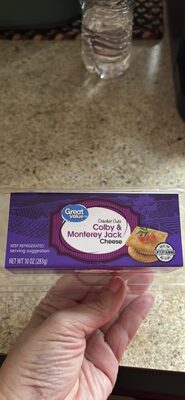
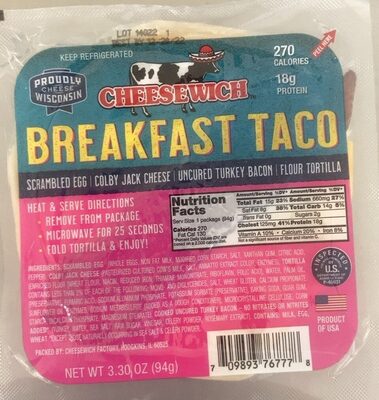
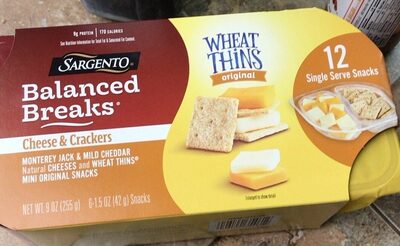
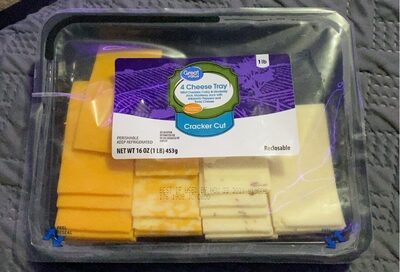
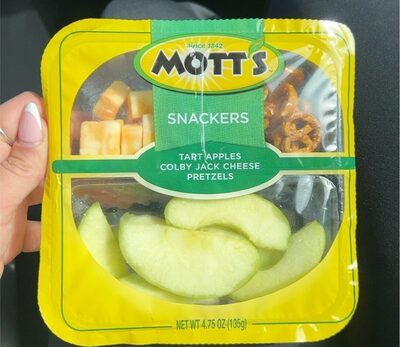
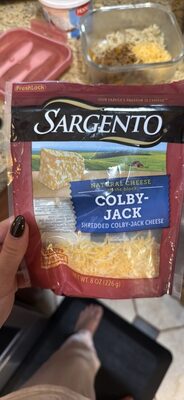
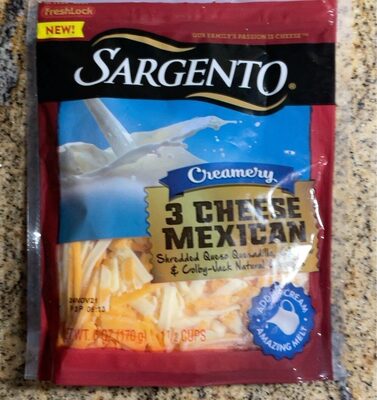
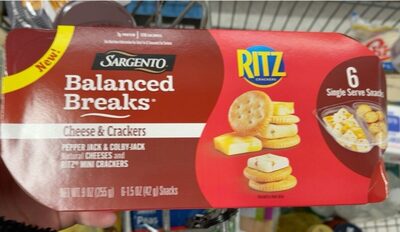
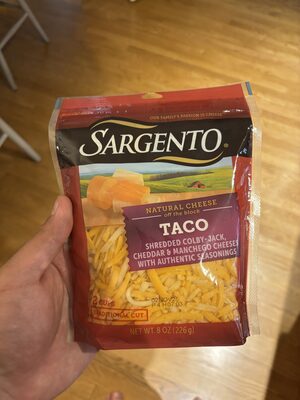
Learn more
Auto-generated content. This description was generated automatically and is pending editorial review. Inaccuracies are possible. Found a mistake? Contact us.