Cold Pressed Flax Oil
What is Cold Pressed Flax Oil?
Cold-pressed flax oil is a vegetable oil extracted from the seeds of the flax plant (Linum usitatissimum). The seeds are mechanically pressed at low temperatures to preserve their nutritional qualities and delicate flavor. This method avoids heat and chemical solvents, resulting in a pure, unrefined oil.
Is Cold Pressed Flax Oil vegan?
Cold Pressed Flax Oil is not animal-derived. Products that contain it can still include other animal-derived ingredients, so check the full ingredient list.
Is Cold Pressed Flax Oil gluten-free?
It does not contain gluten.
Is Cold Pressed Flax Oil a major allergen?
Flaxseed is not one of the nine major allergens defined by the FDA.
What is Cold Pressed Flax Oil used for?
Manufacturers add cold-pressed flax oil to foods for its nutritional profile, particularly its omega-3 fatty acid content.
Is Cold Pressed Flax Oil safe?
Cold-pressed flax oil is generally recognized as safe (GRAS) by the FDA for use in food.
Why it's used
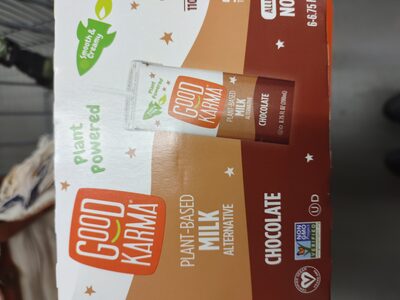
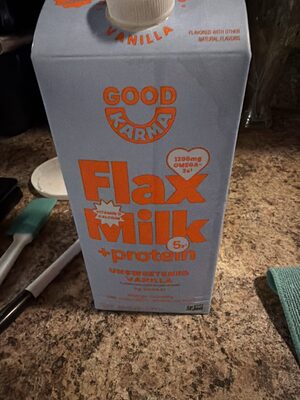
Manufacturers add cold-pressed flax oil to foods for its nutritional profile, particularly its omega-3 fatty acid content. It is often found in plant-based beverages, yogurts, and other health-focused food products. Its mild, nutty flavor can also contribute to the overall taste of the food.
Health notes
Cold-pressed flax oil is generally recognized as safe (GRAS) by the FDA for use in food. It is a source of alpha-linolenic acid (ALA), an essential omega-3 fatty acid. JECFA has evaluated flaxseed oil and established an acceptable daily intake. Research suggests ALA may support heart health, though evidence on other health benefits is still developing.
Allergen info
Flaxseed is not one of the nine major allergens defined by the FDA. It does not contain gluten.
Foods that contain Cold Pressed Flax Oil
Compare products →







Learn more
Auto-generated content. This description was generated automatically and is pending editorial review. Inaccuracies are possible. Found a mistake? Contact us.