Collagen Peptides
Auto-generated content. This description was generated automatically and is pending editorial review. Inaccuracies are possible. Found a mistake? Contact us.
What it is
Collagen peptides are small chains of proteins derived from collagen, the main structural protein found in animal connective tissues like skin, bones, and cartilage. They are produced by breaking down collagen through a process called hydrolysis, often using enzymes or acids. This process makes collagen more digestible and soluble.
Why it's used
Manufacturers add collagen peptides to foods and beverages to boost their protein content. They are often found in products marketed for their perceived health benefits, such as protein bars, fortified waters, and nutritional supplements. Their neutral flavor and solubility make them easy to incorporate into a variety of food items.
Health notes
Collagen peptides are generally recognized as safe (GRAS) by the FDA for use in food. They are a source of amino acids, which are the building blocks of protein. JECFA has evaluated collagen and its derivatives, and EFSA has also assessed collagen hydrolysates. Research into the specific health effects of collagen peptides is ongoing, with some studies suggesting potential benefits for skin, joint, and bone health, though more extensive research is needed to confirm these effects.
Allergen info
Collagen peptides are derived from animal sources and are not one of the nine major FDA allergens. They do not contain gluten.
Products containing Collagen Peptides
Compare products →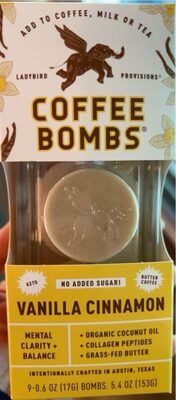 Ladybird Provisions, LLC
Vanilla Thunder Butter Coffee Bombs, Vanilla Thunder
High in saturated fat — 78% DV per serving
788kcal
22Protein
76.8Fat
12.8Carbs
Probalance Inc.
Protein Water, Punch
15kcal
3.1Protein
0Fat
0.2Carbs
Probalance Inc.
Water, Citrus
15kcal
3.1Protein
0Fat
0.2Carbs
Legendary Foods LLC
Birthday Cake Flavored Pastries, Birthday Cake
295kcal
32.8Protein
11.5Fat
39.3Carbs
Ladybird Provisions, LLC
Vanilla Thunder Butter Coffee Bombs, Vanilla Thunder
High in saturated fat — 78% DV per serving
788kcal
22Protein
76.8Fat
12.8Carbs
Probalance Inc.
Protein Water, Punch
15kcal
3.1Protein
0Fat
0.2Carbs
Probalance Inc.
Water, Citrus
15kcal
3.1Protein
0Fat
0.2Carbs
Legendary Foods LLC
Birthday Cake Flavored Pastries, Birthday Cake
295kcal
32.8Protein
11.5Fat
39.3Carbs
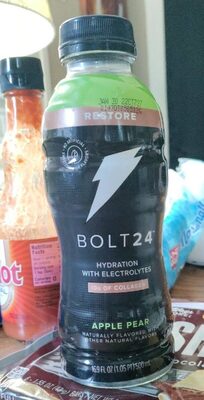 The Quaker Oats Co./gatorade-Van Camp
Apple Pear Flavored Restore Hydration With Electrolytes, Apple Pear
16kcal
2Protein
0Fat
2.2Carbs
The Quaker Oats Co./gatorade-Van Camp
Apple Pear Flavored Restore Hydration With Electrolytes, Apple Pear
16kcal
2Protein
0Fat
2.2Carbs