Color Stabilizer
What is Color Stabilizer?
Color stabilizers are compounds used to maintain or enhance the color of food products. They can be synthetic or naturally derived substances. Their production methods vary depending on the specific stabilizer used.
Is Color Stabilizer gluten-free?
They do not contain gluten.
Is Color Stabilizer a major allergen?
Color stabilizers are not typically derived from major allergens like milk, eggs, fish, shellfish, tree nuts, peanuts, wheat, soy, or sesame.
What is Color Stabilizer used for?
Manufacturers add color stabilizers to prevent color loss or fading that can occur during food processing or storage.
Is Color Stabilizer safe?
In the U.S., color stabilizers are regulated by the FDA.
Why it's used
Manufacturers add color stabilizers to prevent color loss or fading that can occur during food processing or storage. This helps ensure the product looks appealing to consumers. They are often found in pickled vegetables, olives, salad dressings, and mayonnaise.
Health notes
In the U.S., color stabilizers are regulated by the FDA. Some are generally recognized as safe (GRAS) or approved as food additives. International bodies like JECFA and EFSA have also evaluated various color stabilizers. Evidence regarding health effects at typical consumption levels is generally reassuring, though specific evaluations and conclusions vary by substance.
Allergen info
Color stabilizers are not typically derived from major allergens like milk, eggs, fish, shellfish, tree nuts, peanuts, wheat, soy, or sesame. They do not contain gluten.
Foods that contain Color Stabilizer
Compare products →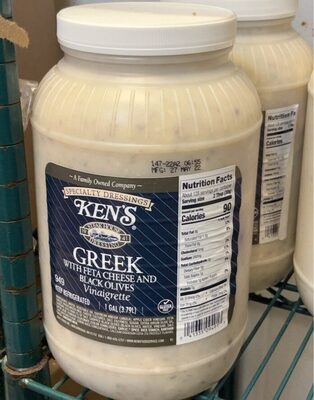
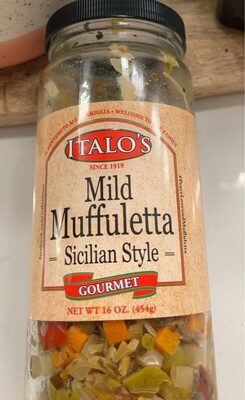
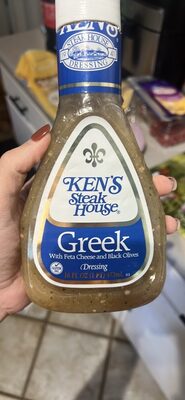
Learn more
Auto-generated content. This description was generated automatically and is pending editorial review. Inaccuracies are possible. Found a mistake? Contact us.