Confection Coating
What is Confection Coating?
Confection coating is a type of edible coating used to cover candies, snacks, and other food items. It is typically made from sugar, vegetable oil, and flavorings, and is often applied in a thin layer to provide a smooth, shiny finish. The coating hardens at room temperature, protecting the product inside and adding a sweet taste.
Is Confection Coating gluten-free?
It does not contain gluten.
Is Confection Coating a major allergen?
Confection coating is not typically derived from any of the 9 FDA major allergens.
What is Confection Coating used for?
Manufacturers use confection coating to improve the appearance and texture of foods, adding a sweet flavor and a protective shell.
Is Confection Coating safe?
Confection coating is generally recognized as safe (GRAS) by the FDA when used as intended.
Why it's used
Manufacturers use confection coating to improve the appearance and texture of foods, adding a sweet flavor and a protective shell. It is commonly found on candies, chocolate-covered nuts and pretzels, and baked goods. The coating can also help prevent moisture loss or gain, extending the shelf life of the product.
Health notes
Confection coating is generally recognized as safe (GRAS) by the FDA when used as intended. It is primarily composed of sugar and fat, and excessive consumption of such ingredients can contribute to caloric intake. International bodies like JECFA have evaluated many of the individual components used in confection coatings. Evidence does not suggest adverse health effects from typical consumption levels.
Allergen info
Confection coating is not typically derived from any of the 9 FDA major allergens. It does not contain gluten.
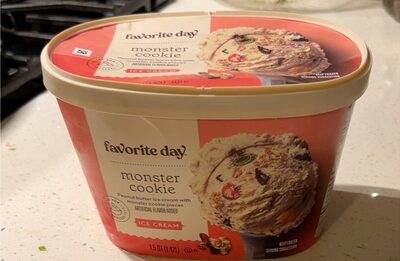
Foods that contain Confection Coating
Compare products →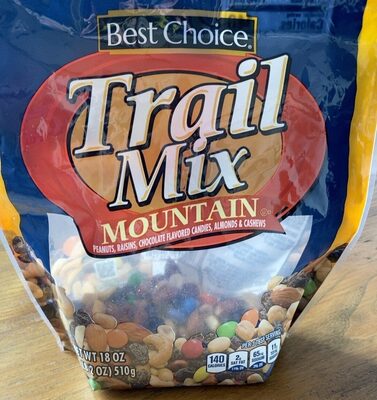
Auto-generated content. This description was generated automatically and is pending editorial review. Inaccuracies are possible. Found a mistake? Contact us.