Confectioner's Glaze Carnauba Wax
Auto-generated content. This description was generated automatically and is pending editorial review. Inaccuracies are possible. Found a mistake? Contact us.
What it is
Confectioner's glaze is a type of food-grade shellac, a resin secreted by the lac bug (Kerria lacca). It is processed to remove insect-related material and then often mixed with other ingredients like carnauba wax or ethanol to create a smooth, edible coating.
Why it's used
Manufacturers use confectioner's glaze to provide a protective, glossy finish on candies, baked goods, and fruits. It helps prevent moisture loss, improves appearance, and can act as a barrier to keep different components of a food product separate.
Health notes
Confectioner's glaze is generally recognized as safe (GRAS) by the FDA for use in food. Regulatory bodies like JECFA and EFSA have evaluated shellac and its derivatives. At typical consumption levels, it is not associated with adverse health effects. There are no widespread controversies regarding its safety.
Allergen info
Not a major allergen. It is not derived from any of the 9 FDA major allergens and does not contain gluten.
Products containing Confectioner's Glaze Carnauba Wax
Compare products →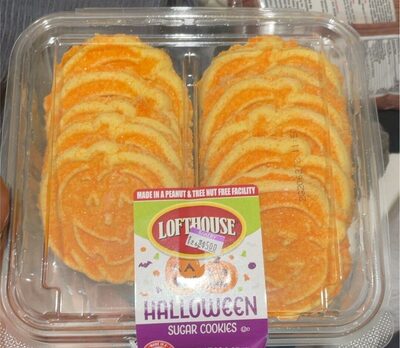 Lofthouse Foods
Halloween Delicious Cookies, Halloween
480kcal
4Protein
20Fat
72Carbs
Lofthouse Foods
Halloween Delicious Cookies, Halloween
480kcal
4Protein
20Fat
72Carbs
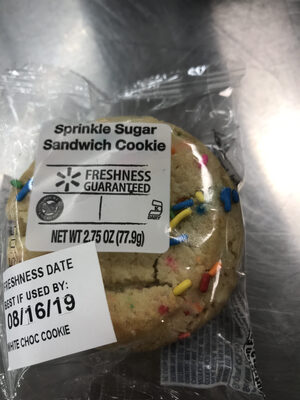 Wal-Mart Stores, Inc.
Sugar Sandwich Cookie, Sugar
High in saturated fat — 25% DV per serving
High in added sugars — 42% DV per serving
632kcal
2.6Protein
31.6Fat
84.2Carbs
Ahold USA, Inc.
Traditional Italian-Style Deluxe Assorted Cookies, Traditional Italian-Style Deluxe Assorted
464kcal
3.6Protein
21.4Fat
57.1Carbs
Wal-Mart Stores, Inc.
Sugar Sandwich Cookie, Sugar
High in saturated fat — 25% DV per serving
High in added sugars — 42% DV per serving
632kcal
2.6Protein
31.6Fat
84.2Carbs
Ahold USA, Inc.
Traditional Italian-Style Deluxe Assorted Cookies, Traditional Italian-Style Deluxe Assorted
464kcal
3.6Protein
21.4Fat
57.1Carbs
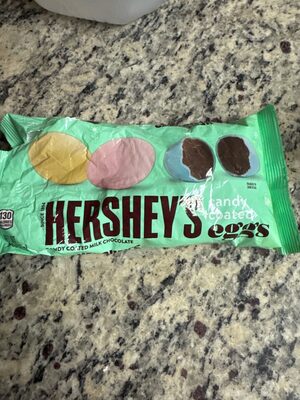 The Hershey Company
Candy Coated Milk Chocolate Eggs, Candy Coated Milk Chocolate
High in added sugars — 34% DV per serving
464kcal
3.6Protein
21.4Fat
71.4Carbs
The Hershey Company
Candy Coated Milk Chocolate Eggs, Candy Coated Milk Chocolate
High in added sugars — 34% DV per serving
464kcal
3.6Protein
21.4Fat
71.4Carbs