Contains 2% Or Less: Shortening
What is Contains 2% Or Less: Shortening?
Shortening is a solid fat at room temperature, commonly used in baking. It is typically made from vegetable oils, such as soybean or palm oil, that have been processed to become solid.
Is Contains 2% Or Less: Shortening a major allergen?
Shortening is typically made from vegetable oils and is not considered a major allergen itself.
What is Contains 2% Or Less: Shortening used for?
Manufacturers add shortening to baked goods like cakes, cookies, and pastries to create a tender texture and flakiness.
Is Contains 2% Or Less: Shortening safe?
Historically, shortening often contained partially hydrogenated oils (PHOs), a source of artificial trans fats.
Why it's used
Manufacturers add shortening to baked goods like cakes, cookies, and pastries to create a tender texture and flakiness. It also helps to extend the shelf life of these products by preventing staling.
Health notes
Historically, shortening often contained partially hydrogenated oils (PHOs), a source of artificial trans fats. The FDA determined that PHOs are no longer 'Generally Recognized As Safe' (GRAS) for use in food as of 2018, effectively removing most artificial trans fats from the food supply. Shortening can still be high in saturated fat; the 2025-2030 Dietary Guidelines for Americans advise keeping saturated fat intake to less than 10% of daily calories.
Allergen info
Shortening is typically made from vegetable oils and is not considered a major allergen itself. However, if made from soy oil, it would contain soy, which is one of the nine major allergens.
Foods that contain Contains 2% Or Less: Shortening
Compare products →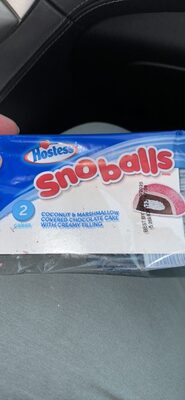
Learn more
Auto-generated content. This description was generated automatically and is pending editorial review. Inaccuracies are possible. Found a mistake? Contact us.