Contains Less Than 2%: Ascorbic Acid
What is Contains Less Than 2%: Ascorbic Acid?
Ascorbic acid is a form of vitamin C, an essential nutrient for human health. It is found naturally in many fruits and vegetables. Industrially, it is often produced through a fermentation process using glucose, typically derived from corn or other plant sources.
Is Contains Less Than 2%: Ascorbic Acid vegan?
Contains Less Than 2%: Ascorbic Acid is not animal-derived. Products that contain it can still include other animal-derived ingredients, so check the full ingredient list.
Is Contains Less Than 2%: Ascorbic Acid gluten-free?
Ascorbic acid is not derived from any of the 9 FDA major allergens and does not contain gluten.
What is Contains Less Than 2%: Ascorbic Acid used for?
Ascorbic acid is added to foods as an antioxidant to prevent spoilage and maintain color, especially in processed meats and produce.
Is Contains Less Than 2%: Ascorbic Acid safe?
Ascorbic acid is generally recognized as safe (GRAS) by the FDA when used as a nutrient or food additive.
Why it's used
Ascorbic acid is added to foods as an antioxidant to prevent spoilage and maintain color, especially in processed meats and produce. It also acts as an acidity regulator and is sometimes used to fortify foods with vitamin C. It is found in a wide variety of products, including baked goods, beverages, and processed fruits.
Health notes
Ascorbic acid is generally recognized as safe (GRAS) by the FDA when used as a nutrient or food additive. It is an essential vitamin, and typical dietary intake from food and fortification is well within safe levels. International bodies like JECFA and EFSA have evaluated ascorbic acid and its salts. While generally safe, very high doses can cause digestive upset in some individuals.
Allergen info
Ascorbic acid is not derived from any of the 9 FDA major allergens and does not contain gluten.
Foods that contain Contains Less Than 2%: Ascorbic Acid
Compare products →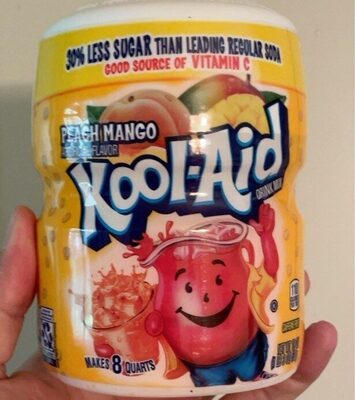
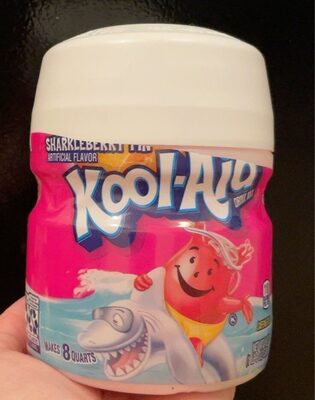
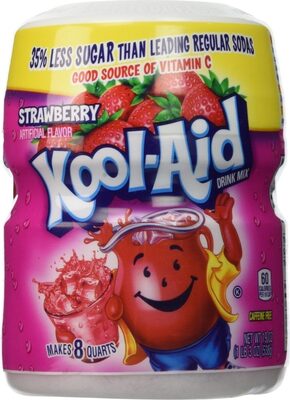
Learn more
Auto-generated content. This description was generated automatically and is pending editorial review. Inaccuracies are possible. Found a mistake? Contact us.