Contains Less Than 2%: Buttermilk
What is Contains Less Than 2%: Buttermilk?
Buttermilk is the liquid left over after churning butter from cream. It is a fluid, cultured dairy product with a tangy flavor and a slightly thicker consistency than regular milk. Modern buttermilk is often made by adding a bacterial culture to milk.
Is Contains Less Than 2%: Buttermilk vegan?
No. Contains Less Than 2%: Buttermilk is animal-derived, so it is not vegan.
Is Contains Less Than 2%: Buttermilk gluten-free?
It does not contain gluten.
Is Contains Less Than 2%: Buttermilk a major allergen?
Buttermilk is derived from milk, which is one of the 9 FDA major allergens.
What is Contains Less Than 2%: Buttermilk used for?
Manufacturers add buttermilk for its tangy flavor and tenderizing effect in baked goods.
Is Contains Less Than 2%: Buttermilk safe?
Buttermilk is generally recognized as safe (GRAS) by the FDA.
Why it's used
Manufacturers add buttermilk for its tangy flavor and tenderizing effect in baked goods. It also helps activate leavening agents like baking soda, contributing to a lighter texture. It is commonly found in pancakes, biscuits, muffins, and some dressings and marinades.
Health notes
Buttermilk is generally recognized as safe (GRAS) by the FDA. It is a source of calcium and protein. International bodies like JECFA have evaluated buttermilk and its components. At typical consumption levels found in foods, it is not associated with adverse health effects.
Allergen info
Buttermilk is derived from milk, which is one of the 9 FDA major allergens. It does not contain gluten.
Foods that contain Contains Less Than 2%: Buttermilk
Compare products →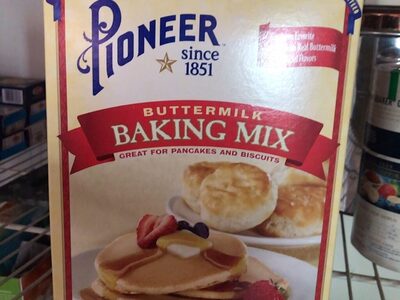 Pioneer Flour Mills
Baking Mix, Buttermilk
High in sodium — 23% DV per serving
400kcal
7.5Protein
12.5Fat
65Carbs
PIONEER
Pancake & Waffle
High in sodium — 22% DV per serving
350kcal
7.5Protein
3.8Fat
75Carbs
Pioneer Flour Mills
Baking Mix, Buttermilk
High in sodium — 23% DV per serving
400kcal
7.5Protein
11.2Fat
65Carbs
Pioneer Flour Mills
Baking Mix, Buttermilk
High in sodium — 23% DV per serving
400kcal
7.5Protein
12.5Fat
65Carbs
C. H. Guenther and Son Inc.
Pioneer 2.5 oz. Buttermilk Biscuits
High in sodium — 31% DV per serving
High in saturated fat — 35% DV per serving
352kcal
5.6Protein
16.9Fat
43.7Carbs
C. H. Guenther and Son Inc.
Morrison's Green Label Biscuit Gravy Mix
500kcal
0Protein
27.8Fat
—Carbs
C. H. Guenther and Son Inc.
Morrison's Country Style Pepper Gravy Mix
450kcal
0Protein
25Fat
60Carbs
C. H. Guenther and Son Inc.
Morrison's Country Style Gravy Mix
450kcal
0Protein
20Fat
60Carbs
Pioneer Flour Mills
Baking Mix, Buttermilk
High in sodium — 23% DV per serving
400kcal
7.5Protein
12.5Fat
65Carbs
PIONEER
Pancake & Waffle
High in sodium — 22% DV per serving
350kcal
7.5Protein
3.8Fat
75Carbs
Pioneer Flour Mills
Baking Mix, Buttermilk
High in sodium — 23% DV per serving
400kcal
7.5Protein
11.2Fat
65Carbs
Pioneer Flour Mills
Baking Mix, Buttermilk
High in sodium — 23% DV per serving
400kcal
7.5Protein
12.5Fat
65Carbs
C. H. Guenther and Son Inc.
Pioneer 2.5 oz. Buttermilk Biscuits
High in sodium — 31% DV per serving
High in saturated fat — 35% DV per serving
352kcal
5.6Protein
16.9Fat
43.7Carbs
C. H. Guenther and Son Inc.
Morrison's Green Label Biscuit Gravy Mix
500kcal
0Protein
27.8Fat
—Carbs
C. H. Guenther and Son Inc.
Morrison's Country Style Pepper Gravy Mix
450kcal
0Protein
25Fat
60Carbs
C. H. Guenther and Son Inc.
Morrison's Country Style Gravy Mix
450kcal
0Protein
20Fat
60Carbs
Learn more
Auto-generated content. This description was generated automatically and is pending editorial review. Inaccuracies are possible. Found a mistake? Contact us.