Contains
What is Contains?
"Contains" is not a specific food ingredient but a term required on food labels in the United States. It is used to declare the presence of major food allergens or other specific components in a product. It is not a substance that is manufactured or added to food.
Is Contains a major allergen?
"Contains" itself is not an allergen.
What is Contains used for?
This term serves a labeling function rather than an additive function.
Is Contains safe?
As a labeling term, "Contains" has no direct health implications from consumption.
Why it's used
This term serves a labeling function rather than an additive function. Manufacturers use "Contains" to comply with labeling regulations, informing consumers about ingredients that might cause allergic reactions or are relevant for dietary choices. It appears on a wide variety of packaged foods.
Health notes
As a labeling term, "Contains" has no direct health implications from consumption. Its importance lies in providing critical information for individuals with food allergies or sensitivities, helping them avoid specific ingredients. The FDA mandates its use for major food allergens.
Allergen info
"Contains" itself is not an allergen. It is the declaration mechanism for the nine major food allergens recognized by the FDA: milk, eggs, fish, crustacean shellfish, tree nuts, peanuts, wheat, soybeans, and sesame.
Foods that contain Contains
Compare products →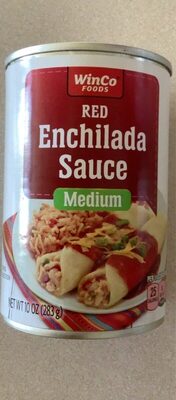
Auto-generated content. This description was generated automatically and is pending editorial review. Inaccuracies are possible. Found a mistake? Contact us.