Cooked Chicken Skins
What is Cooked Chicken Skins?
Cooked chicken skins are the outer layer of a chicken that has been heated. They are a byproduct of chicken processing and are often removed from the meat before packaging. The skins can be cooked by frying, baking, or roasting.
Is Cooked Chicken Skins vegan?
No. Cooked Chicken Skins is animal-derived, so it is not vegan.
Is Cooked Chicken Skins gluten-free?
It does not contain gluten.
Is Cooked Chicken Skins a major allergen?
Chicken is not one of the nine major allergens recognized by the FDA.
What is Cooked Chicken Skins used for?
Chicken skins are used to add flavor and richness to food products.
Is Cooked Chicken Skins safe?
Chicken skins are generally recognized as safe (GRAS) by the FDA when used as food.
Why it's used
Chicken skins are used to add flavor and richness to food products. They can also be used as a source of fat and to improve texture. They are commonly found in soups, broths, and processed chicken products.
Health notes
Chicken skins are generally recognized as safe (GRAS) by the FDA when used as food. They are a source of fat and protein. The Joint FAO/WHO Expert Committee on Food Additives (JECFA) has evaluated chicken fat, which is derived from chicken skins, and established an acceptable daily intake. However, chicken skins are high in fat and calories, and regular consumption of high-fat foods may be linked to health concerns.
Allergen info
Chicken is not one of the nine major allergens recognized by the FDA. It does not contain gluten.
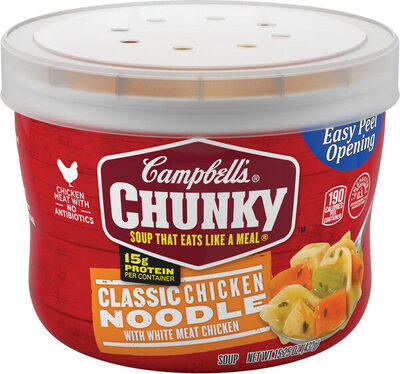
Foods that contain Cooked Chicken Skins
Compare products →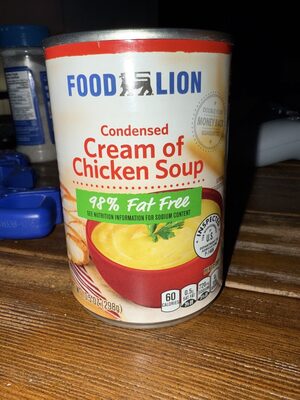

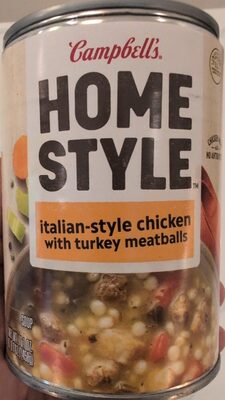


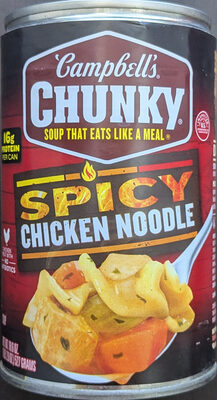
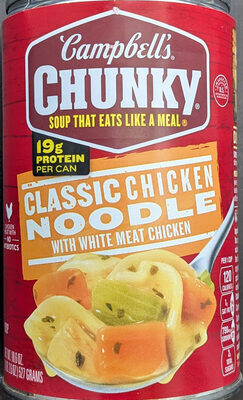



Learn more
Auto-generated content. This description was generated automatically and is pending editorial review. Inaccuracies are possible. Found a mistake? Contact us.