Cooked Corned Beef
What is Cooked Corned Beef?
Cooked corned beef is a cut of beef, typically from the brisket, that has been cured in a salt brine. This brine often contains spices and sodium nitrite, which gives the meat its characteristic pink color and helps preserve it. After curing, the beef is cooked, usually by boiling, steaming, or baking until tender.
Is Cooked Corned Beef vegan?
No. Cooked Corned Beef is animal-derived, so it is not vegan.
Is Cooked Corned Beef a major allergen?
Not a major allergen.
What is Cooked Corned Beef used for?
Manufacturers add cooked corned beef primarily as a protein source and a main ingredient in ready-to-eat meals.
Is Cooked Corned Beef safe?
As a whole food, cooked corned beef is not regulated by FDA as an additive.
Why it's used
Manufacturers add cooked corned beef primarily as a protein source and a main ingredient in ready-to-eat meals. It is commonly found in canned meats, such as corned beef hash, or as a component in prepared sandwiches and dinners.
Health notes
As a whole food, cooked corned beef is not regulated by FDA as an additive. It is a source of protein, but it can be high in sodium and saturated fat. The FDA Daily Value for sodium is 2,300 mg per day. The Dietary Guidelines for Americans recommend keeping saturated fat intake to less than 10% of daily calories. JECFA and EFSA evaluate individual food additives, but not whole foods like cooked corned beef itself.
Allergen info
Not a major allergen.
Foods that contain Cooked Corned Beef
Compare products →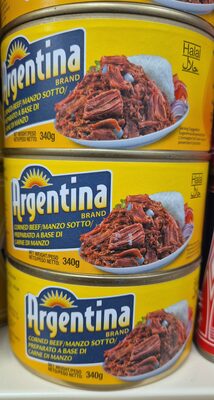
Learn more
Auto-generated content. This description was generated automatically and is pending editorial review. Inaccuracies are possible. Found a mistake? Contact us.