Cooked Pulled Pork
What is Cooked Pulled Pork?
Cooked pulled pork is a dish made from pork shoulder or butt, slow-cooked until it is very tender and can be easily shredded into strands. This cooking method typically involves simmering or roasting the meat for several hours, often with seasonings or sauces, until it reaches a fall-apart consistency.
Is Cooked Pulled Pork vegan?
No. Cooked Pulled Pork is animal-derived, so it is not vegan.
Is Cooked Pulled Pork a major allergen?
Not a major allergen.
What is Cooked Pulled Pork used for?
Manufacturers add cooked pulled pork to packaged foods primarily as a protein source and for its distinct flavor and texture.
Is Cooked Pulled Pork safe?
Cooked pulled pork is a food ingredient, not a food additive, and is regulated by the FDA as a meat product.
Why it's used
Manufacturers add cooked pulled pork to packaged foods primarily as a protein source and for its distinct flavor and texture. It is a popular ingredient in ready-to-eat meals, sandwiches, pizzas, and other entrees, providing a convenient and flavorful meat component.
Health notes
Cooked pulled pork is a food ingredient, not a food additive, and is regulated by the FDA as a meat product. As a meat, it provides protein, vitamins, and minerals. Depending on preparation and cut, it can contribute to dietary intake of saturated fat; the Dietary Guidelines for Americans (2025-2030) advise keeping saturated fat under 10% of daily calories. JECFA and EFSA do not evaluate basic food ingredients like cooked meat for additive purposes.
Allergen info
Not a major allergen.
Foods that contain Cooked Pulled Pork
Compare products →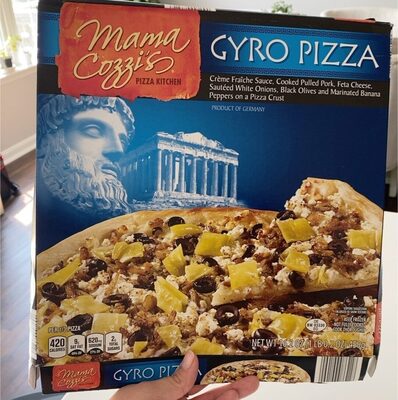 MAMA COZZI'S
Creme Fraiche Sauce, Cooked Pulled Pork, Feta Cheese, Sauteed White Onions, Black Olives And Marinated Banana Peppers On A Gyro Pizza Crust, Creme Fraiche Sauce, Cooked Pulled Pork, Feta Cheese, Sauteed White Onions, Black Olives And Marinated Banana Pepp
High in sodium — 27% DV per serving
High in saturated fat — 45% DV per serving
275kcal
9.2Protein
12.4Fat
30.1Carbs
Big Y Foods, Inc.
BBQ Pulled Pork With Spinach And Southwest Rice, BBQ Pulled Pork
High in sodium — 28% DV per serving
High in added sugars — 26% DV per serving
121kcal
7.1Protein
2.1Fat
20.7Carbs
Publix Super Markets, Inc.
Pulled Pork With Macaroni & Cheese, Collard Greens & Tangy BBQ Sauce, Pulled Pork With Macaroni & Cheese, Collard Greens & Tangy BBQ
High in sodium — 33% DV per serving
High in saturated fat — 45% DV per serving
High in cholesterol — 42% DV per serving
147kcal
12.1Protein
6.5Fat
9.4Carbs
Golden West Trading, Inc.
Sweet & Sour Pork Seasoned Shredded Pork And Long Grain Rice In A Sweet & Sour Sauce Bowl, Sweet & Sour Pork
High in sodium — 28% DV per serving
High in added sugars — 44% DV per serving
143kcal
6.6Protein
3.5Fat
21.0Carbs
MAMA COZZI'S
Creme Fraiche Sauce, Cooked Pulled Pork, Feta Cheese, Sauteed White Onions, Black Olives And Marinated Banana Peppers On A Gyro Pizza Crust, Creme Fraiche Sauce, Cooked Pulled Pork, Feta Cheese, Sauteed White Onions, Black Olives And Marinated Banana Pepp
High in sodium — 27% DV per serving
High in saturated fat — 45% DV per serving
275kcal
9.2Protein
12.4Fat
30.1Carbs
Big Y Foods, Inc.
BBQ Pulled Pork With Spinach And Southwest Rice, BBQ Pulled Pork
High in sodium — 28% DV per serving
High in added sugars — 26% DV per serving
121kcal
7.1Protein
2.1Fat
20.7Carbs
Publix Super Markets, Inc.
Pulled Pork With Macaroni & Cheese, Collard Greens & Tangy BBQ Sauce, Pulled Pork With Macaroni & Cheese, Collard Greens & Tangy BBQ
High in sodium — 33% DV per serving
High in saturated fat — 45% DV per serving
High in cholesterol — 42% DV per serving
147kcal
12.1Protein
6.5Fat
9.4Carbs
Golden West Trading, Inc.
Sweet & Sour Pork Seasoned Shredded Pork And Long Grain Rice In A Sweet & Sour Sauce Bowl, Sweet & Sour Pork
High in sodium — 28% DV per serving
High in added sugars — 44% DV per serving
143kcal
6.6Protein
3.5Fat
21.0Carbs
Learn more
Auto-generated content. This description was generated automatically and is pending editorial review. Inaccuracies are possible. Found a mistake? Contact us.